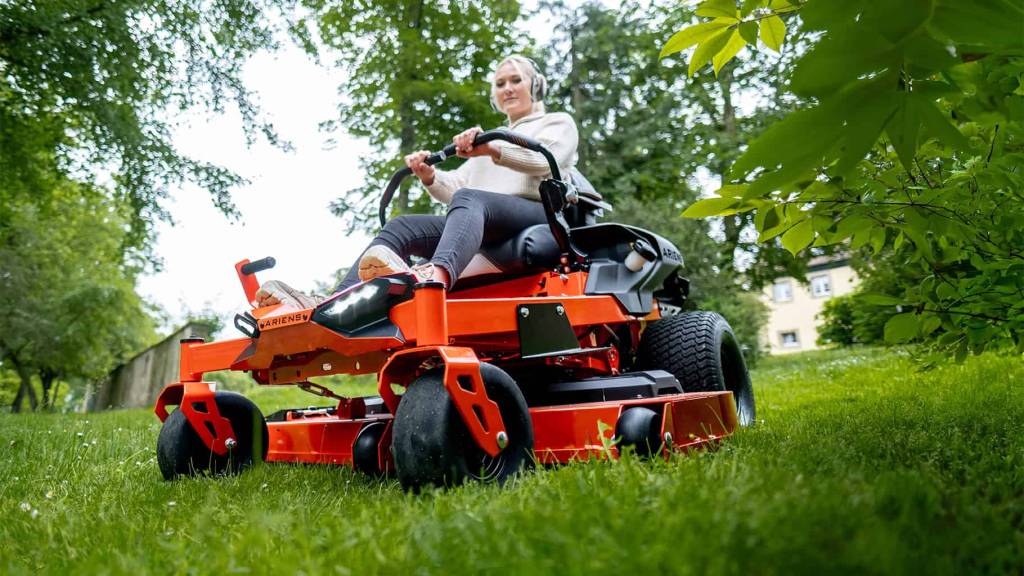
Najbolji savjeti za preživljavanje trave zimi
Do vremena kada stigne jesen, vaš travnjak je vjerojatno pretrpio mnogo toga – izloženost suncu, jaku prometu, štetočine, korov i možda sušu. Priprema za zimu je bitna kako bi se osigurao zdrav početak kada se vrate proljetni dani. Evo nekoliko najboljih savjeta kako vaš travnjak preživjeti zimu i vratiti se zelen i živahan sljedeće sezone.
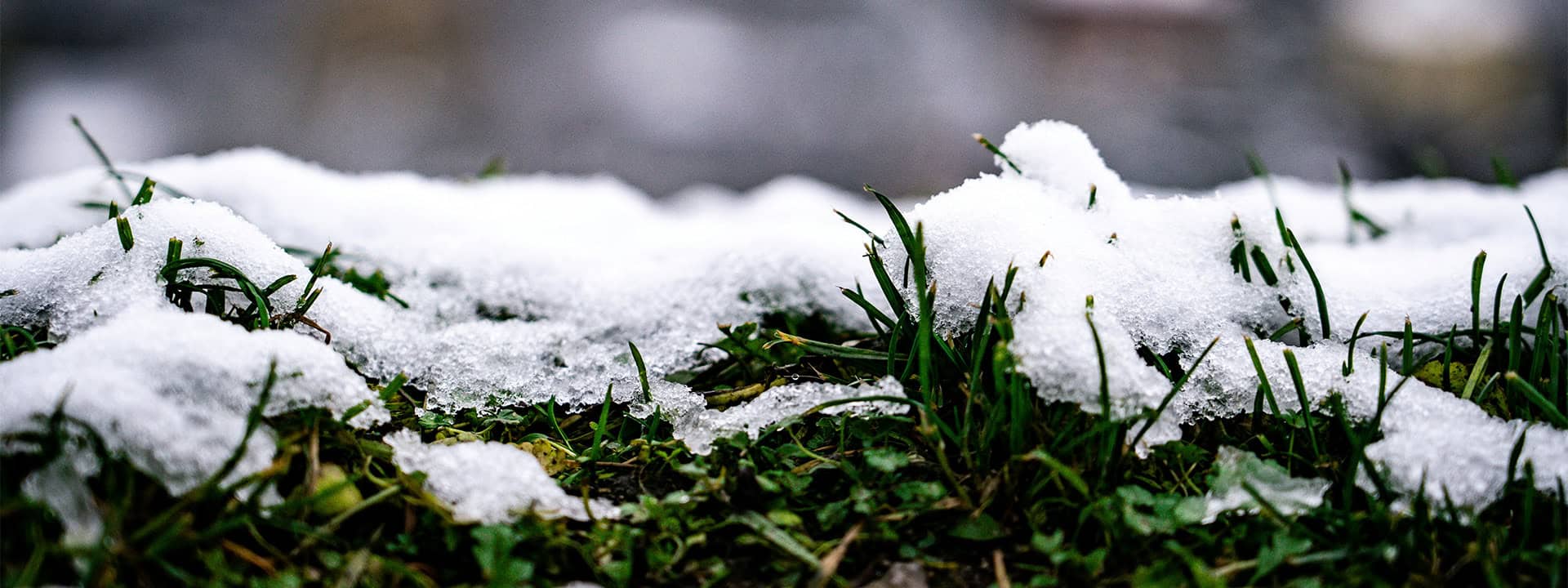
Mahovina je sloj mrtve trave koji se nakuplja na površini tla, zadržavajući vlagu i potičući gljivice poput sniježne plijesni. Uklanjanje mahovine ili njeno čišćenje pomaže u sprječavanju toga i potiče jači rast korijena – bitan faktor za preživljavanje zime.
Kako ukloniti mahovinu:
- Provjetravanje tla: Ova metoda uklanja male utičnice tla, poboljšavajući cirkulaciju zraka i vode, što također pomaže prirodnom razgradnji mahovine.
- Vertikalno kosjenje: Vertikalna kosačica reže mahovinu bez oštećenja zdrave trave, donoseći mahovinu na površinu za lakše uklanjanje.
„Uklanjanje mahovine pomaže travnjaku da diše, potičući jače korijenske sustave koji bolje podnose zimu“, kaže Roman Mühleck, stručnjak za njegu trave u AriensCo.
pH tla utječe na to koliko dobro vaša trava apsorbira hranjive tvari. Testiranje i podešavanje pH tla kasnom jeseni pomaže osigurati da vaš travnjak dobije hranjive tvari koje mu trebaju tijekom zime.
Kako testirati i podešavati pH tla:
- Koristite set za testiranje pH tla kako biste izmjerili razine u različitim dijelovima vašeg travnjaka.
- Previše kiselo? Nanesite vapno kako biste neutralizirali pH.
- Previše alkalno? Dodajte organsku materiju poput komposta ili treseta kako biste uravnotežili tlo.
Testiranje i uravnotežavanje pH tla može napraviti značajnu razliku u otpornosti vašeg travnjaka.
Da, uklanjanje korova u jesen sprječava da se natječu s vašom travom za hranjive tvari u proljeće. Ciljanje korova sada također iskorištava njihov obrazac apsorpcije hranjivih tvari, koji herbicide duboko uvlači u njihove korijene za učinkovito uklanjanje.
Kako ukloniti korov:
- Izvadite korov ručno ili koristite prirodne opcije poput octenog spreja.
- Nastavite kositi tijekom jeseni kako biste ograničili rast korova, jer ponovljena košnja oslabi većinu zimskog korova.
Da, palo lišće može blokirati sunčevu svjetlost, zadržavati vlagu i poticati bolest. Uklanjanje lišća ne samo da čuva vaš travnjak zdravijim, već mu omogućuje i da „diše“ dok ulazi u stanje mirovanja.
Opcije za uklanjanje lišća:
- Mulčiranje: Kosačica za mulčiranje sjecka lišće na male komadiće, dodajući prirodne hranjive tvari natrag u tlo.
- Grabljenje: Za čist završetak, grabite lišće kako biste ih potpuno uklonili, što smanjuje nakupljanje vlage i rast gljivica.
Ostavljanje predmeta poput namještaja, igračaka ili vrtnih alata na travnjaku tijekom zime može ubiti travu ispod, ostavljajući gola mjesta u proljeće. Kako biste to izbjegli, uklonite sve „smeće“ sa svog travnjaka.
Savjeti:
- Uklonite sve predmete sa svog travnjaka, pohranite ih u garažu ili štalu ako je moguće.
- Povremeno rotirajte predmete ako je prostor za pohranu ograničen kako biste spriječili oštećenje jednog područja.
Trava u stanju mirovanja je krhkija od bujne ljetne trave. Hodanje po njoj zbija tlo i može slomiti trake trave, odgađajući oporavak u proljeće.
Kako zaštititi travu u stanju mirovanja:
- Minimizirajte promet po travnjaku, posebno tijekom mraznih ili snježnih razdoblja.
- Koristite snježnu puhalicu kako biste držali staze i hodnike čistima, potičući posjetitelje da izbjegavaju hodanje po travi.
Jednogodišnje biljke odumiru svake godine i mogu privlačiti štetočine ako se ostave u tlu. Potpuno uklanjanje, uključujući korijene, pomaže smanjiti infestacije insekata.
Kako ukloniti jednogodišnje biljke:
- Izvadite sve jednogodišnje biljke, uključujući korijene, prije nego zima stigne.
- Kompostirajte ostatke ako je moguće kako biste reciklirali hranjive tvari natrag u svoje tlo.
Da, iako trajnice mogu izgledati mrtve, one jednostavno ulaze u stanje mirovanja za zimu. Mulčiranje trajnica štiti ih od oštrih temperatura, posebno ako živite u području s malim snježnim pokrivačem.
Kako mulčirati trajnice:
- Obrežite trajnice do razine tla i prekrijte ih s nekoliko inča mulča.
- Koristite usitnjeno lišće, slamu ili borove iglice kako biste stvorili zaštitni sloj.
Zaštita vašeg travnjaka sada za lijepo proljeće
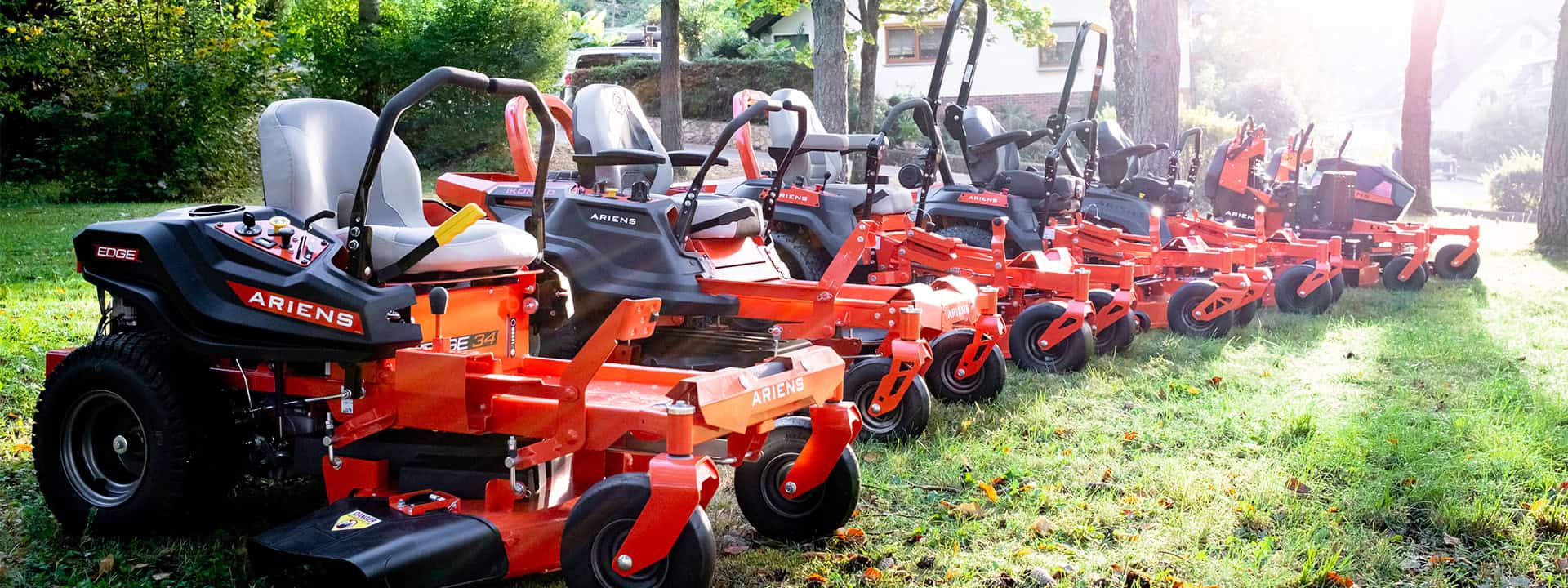
Priprema za zimu ključna je za zdrav, zelen travnjak u proljeće. Čišćenjem mahovine, podešavanjem pH tla, uklanjanjem otpada i pružanjem odgovarajuće zaštite, postavljate svoj travnjak na put uspjeha. Opremite se kvalitetnim alatima od Ariensa, poput kosačica serije IKON i ZENITH, kako biste lako obavili ove zadatke.