Preparing Your Lawn for Winter: Essential Tips for European Homeowners
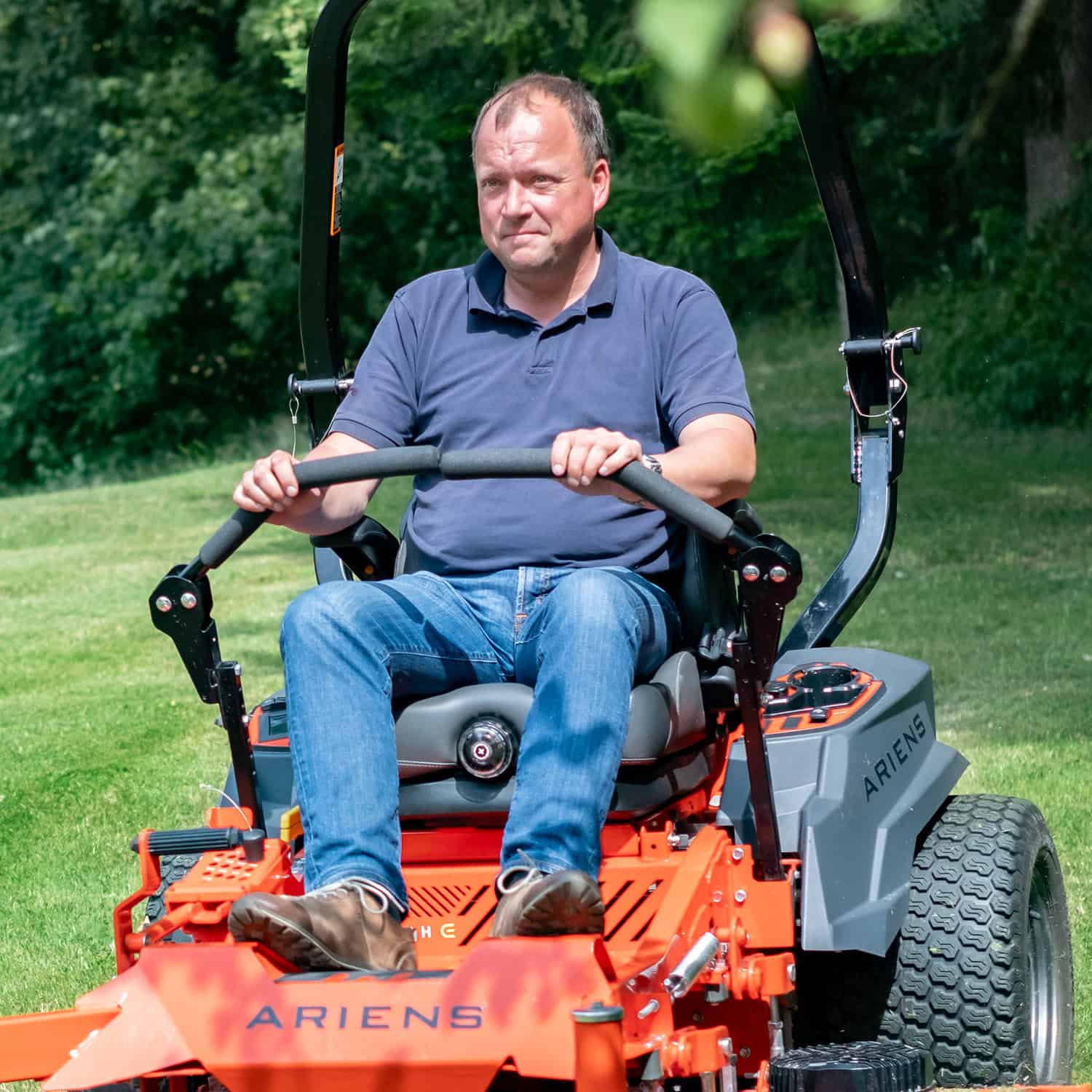
“A lawn that’s well-prepared for winter emerges stronger in spring. A little effort now can make all the difference for a healthy, green start to the new season.”
Roman Mühleck, Lawn Care Expert at AriensCo
Winter is coming, and that means it’s time to prepare your lawn for the colder months ahead. After enduring summer’s intense sun, heavy foot traffic, and exposure to pests, weeds, and diseases, your grass may be worn out and vulnerable. Taking the right steps now can give your lawn a strong start in the spring. So, what should you do to prepare your lawn for winter?
Why Prepare Your Lawn for Winter?
Many homeowners wonder why winter preparation is so crucial. After all, the grass will be dormant and covered in snow, right? However, getting your lawn ready for winter plays a vital role in its health. Proper winter prep will protect your grass from harsh temperatures, diseases, and stress, allowing it to bounce back strong and green once spring arrives.
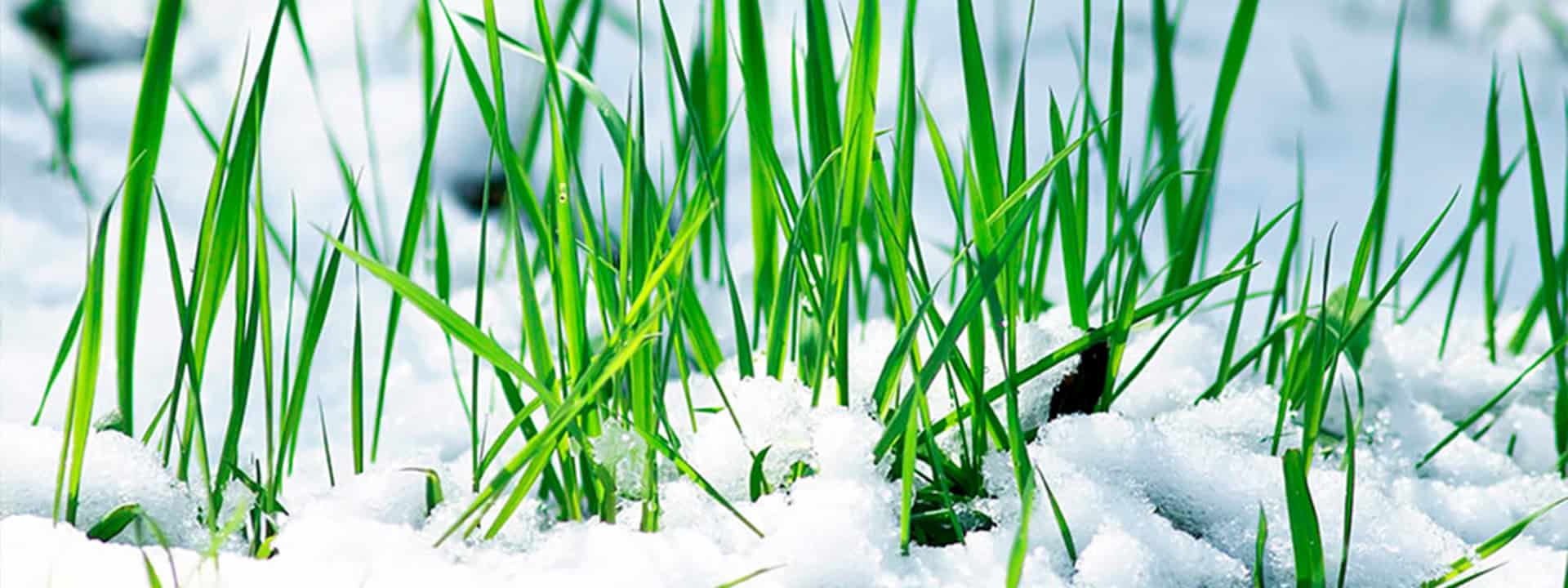
Snow mold is a fungal disease that affects lawns under snow cover. It’s caused by excessive thatch—a layer of dead grass that sits on the soil surface, trapping moisture. Too much thatch encourages fungal growth and can lead to unsightly brown patches in the spring. To reduce the risk of snow mold:
Steps:
- Dethatching: Remove excess thatch by raking or using a dethatcher. Light raking is fine for small lawns, but larger areas benefit from a dethatcher.
- Aerating: Core aeration involves removing small plugs of soil from your lawn. Aeration not only reduces thatch but also improves air circulation and helps break up compacted soil, which makes it easier for grass to absorb nutrients and water over winter.
“Aeration is especially important in the fall, as it prepares the soil to absorb essential nutrients and retain strength through winter,” explains Roman Mühleck, lawn care expert at Ariens.
Yes! Soil pH is a crucial factor in your lawn’s health. In Europe, soils can vary widely in pH, and an unbalanced pH can stress your grass and weaken it over winter.
How to Test and Adjust Soil pH:
- Use a soil testing kit to measure the pH in various areas of your lawn.
- For soil that’s too acidic, apply a small amount of lime to balance it. For overly alkaline soil, add organic matter like compost or peat.
- Adjusting the pH helps your lawn absorb nutrients more efficiently, improving resilience against winter conditions.
Yes, autumn is the best time to tackle weeds. When weeds prepare for winter, they transfer nutrients to their roots, making herbicides more effective. Removing weeds now prevents them from competing with your grass in spring.
Steps to Eliminate Weeds:
- Apply a selective herbicide or natural vinegar spray to kill weeds.
- Continue mowing to control weed growth. If you’re using an Ariens IKON Series mower, attach a bagger to collect clippings and prevent weed seeds from spreading.
Fallen leaves may look nice, but they can suffocate grass, block sunlight, and trap moisture, which promotes disease. Removing or mulching leaves is essential for winter prep.
Options for Leaf Removal:
- Mulching: Use a mulching kit on your Ariens mower to shred leaves into tiny pieces, which will decompose and provide natural nutrients to the soil.
- Bagging: For a clean look, use a bagger to collect and remove leaves. The ZENITH Series offers efficient bagging options to keep your lawn leaf-free.
Applying fertilizer before winter strengthens your lawn and prepares it for spring. However, not all fertilizers are the same, so it’s essential to choose one that suits your grass type and soil conditions.
Tips for Fertilizing:
- Apply a slow-release, balanced fertilizer in late autumn.
- Cool-season grasses like Fescue and Ryegrass respond best to nitrogen-rich fertilizers. For organic options, try bone meal or manure.
Yes, grass is more fragile in its dormant state. Heavy foot traffic can compact the soil and damage grass blades, delaying recovery in spring.
Tips for Reducing Lawn Stress:
- Avoid walking on the lawn as much as possible, especially during frosty conditions.
- Keep walkways clear with an Ariens snow blower to reduce the need to walk directly on grass.
Dead annuals left in the soil can attract pests and diseases, so removing them is crucial. Mulching perennials, on the other hand, protects them from winter stress.
How to Prepare Annuals and Perennials:
- Pull up dead annual plants, including roots, to prevent pest infestations.
- Trim back dormant perennials and cover them with a layer of mulch to protect the roots from cold temperatures.
Fall is one of the best times to overseed cool-season grasses in Europe. This fills in thin areas and ensures a lush, green lawn when spring arrives.
Overseeding Tips:
- After aerating, spread grass seed on bare spots.
- Lightly rake the seeds into the soil and water thoroughly for better germination.
“Fall overseeding strengthens your lawn and promotes dense, even growth, making it more resilient for the year ahead,” advises Mühleck.
Leaving items like furniture or toys on your lawn can cause bare spots and compact the soil. Removing these items reduces damage and promotes healthy regrowth.
Storage Tips:
- Move items to a shed or garage to prevent them from damaging the grass.
- If storage space is limited, rotate items occasionally to minimize damage in one area.
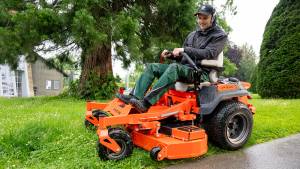
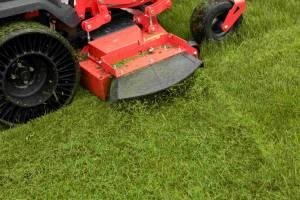
Winter preparation may take a bit of work, but it’s worth it for a beautiful lawn in the spring. By dethatching, aerating, fertilizing, and taking care of your grass before winter, you set the foundation for a lush, green lawn that will bounce back strong. Equip yourself with quality tools like our Zero-Turn mowers from Ariens to make lawn care easy, efficient, and effective.
Keep Your Lawn Looking Its Best with Ariens
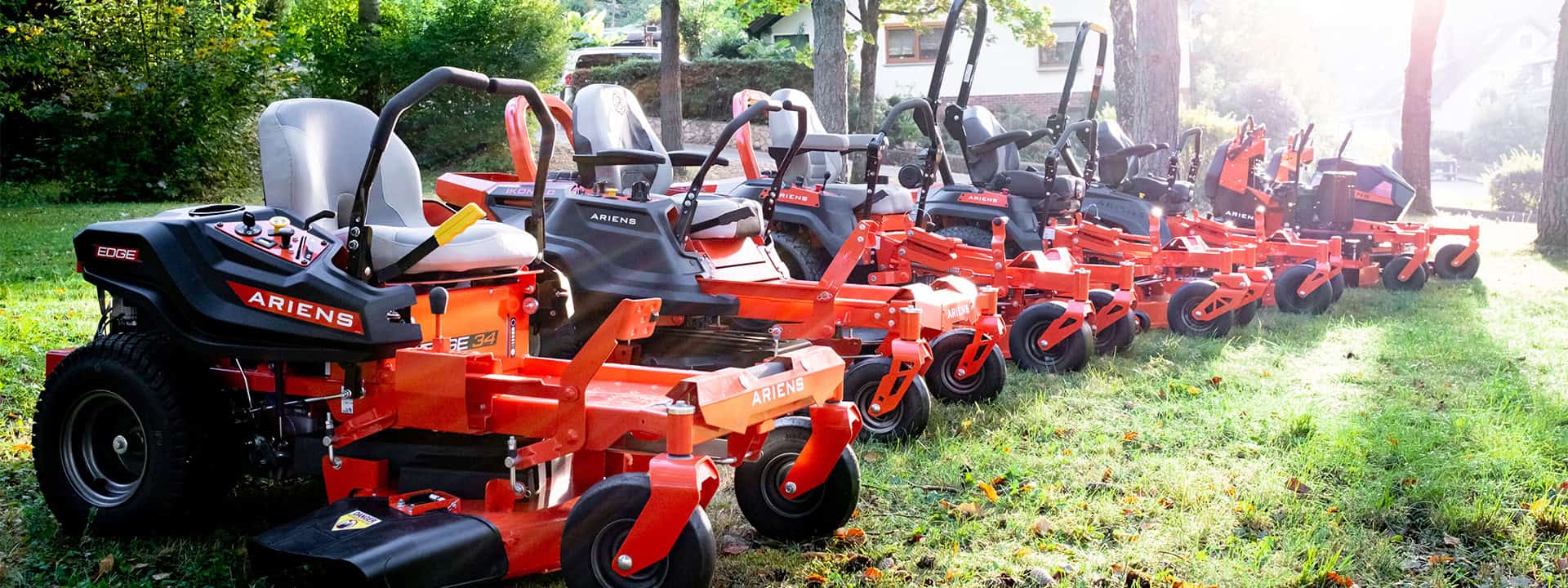
Understanding your grass type is the first step to achieving a healthy, beautiful lawn. With the right care and tools—like the IKON Series for residential lawns or the ZENITH Series for professional-grade cutting—you can enjoy a lush, green lawn throughout the seasons. For more expert tips on lawn care or to find the perfect mower for your grass type, visit our Ariens product lineup.