What’s My Grass Type? A Guide for European Lawns

No two grass types are alike, and knowing what’s in your lawn can make all the difference. Proper care, tailored to each grass type, helps keep lawns looking their best year-round.
Roman Mühleck, Lawn Care Experts at AriensCo
Grass may look the same, but not all types are created equal. Lawn care shouldn’t follow a one-size-fits-all approach—especially in Europe, where climate and soil types vary greatly. Understanding your grass type is essential for maintaining a healthy, green lawn that thrives year-round. In this guide, we’ll cover the most common grass types in Europe, how to care for them, and how Ariens’ IKON Series and ZENITH Series mowers can help keep your lawn looking its best.
Warm-Season vs. Cool-Season Grasses
Grass types fall into two main categories: warm-season and cool-season. Warm-season grasses flourish in hot, dry climates and go dormant in cooler temperatures, while cool-season grasses grow best in mild to cold conditions and are resilient to frost. The right care and equipment depend on your specific grass type.

Common European Grass Types and Their Care
Bermuda Grass
Where it Grows: Southern Europe
Description: Bermuda grass is a popular warm-season grass often mistaken for crabgrass due to its low, dense growth and “runner” nodes that help it spread. Bermuda is known for its durability and can withstand drought, high traffic, and even self-repair after damage. This hardiness makes it ideal for sports fields and lawns in the Mediterranean climate.

Care Tips:
- Watering: Requires at least one inch of water per week.
- Mowing: Keep Bermuda grass short, ideally between 1-2 inches. Use a high-quality mower like the IKON Series, which offers precise cutting for dense turf.
- Seasonal Maintenance: During the first cut after winter dormancy, trim to three-quarters of an inch. Before winter dormancy, raise the mowing height by half an inch.
Zoysia Grass
Where it Grows: Southern Europe and transitional climates
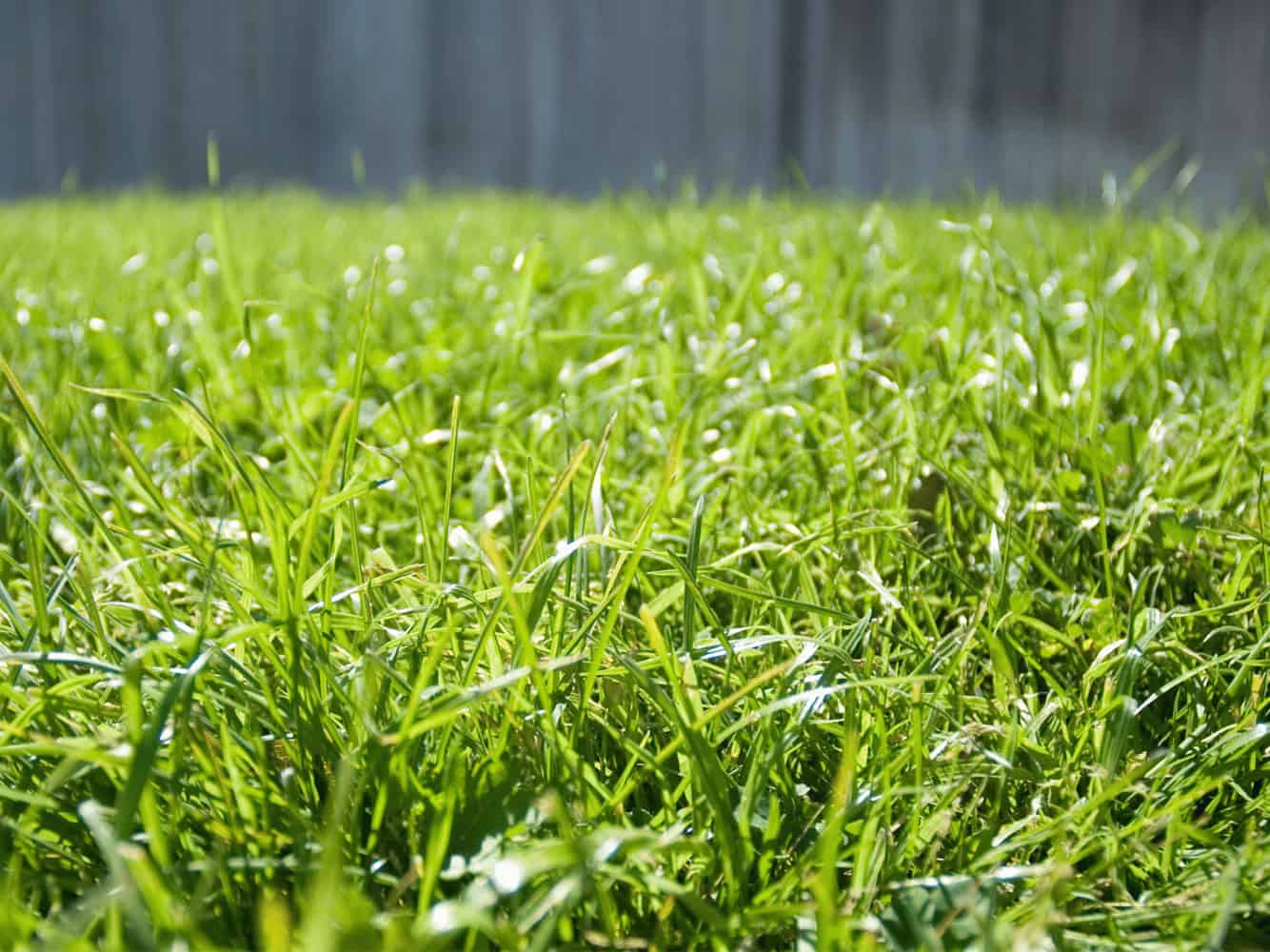
Description: Zoysia is a hardy, low-maintenance warm-season grass that retains color longer than other types, staying green well into autumn. With its dense, weed-resistant growth, Zoysia is ideal for homeowners seeking a low-maintenance lawn in warmer areas.
Care Tips:
- Watering: Tolerates drought but benefits from about one inch of water weekly.
- Mowing: Mow to a height of 1-1.5 inches. The ZENITH Series mower is perfect for low-growing grasses like Zoysia, providing a clean and even cut.
- Aeration and Dethatching: Aerate in early spring to improve soil airflow and nutrient access.
Tall Fescue
Where it Grows: Across Europe, especially in cooler climates
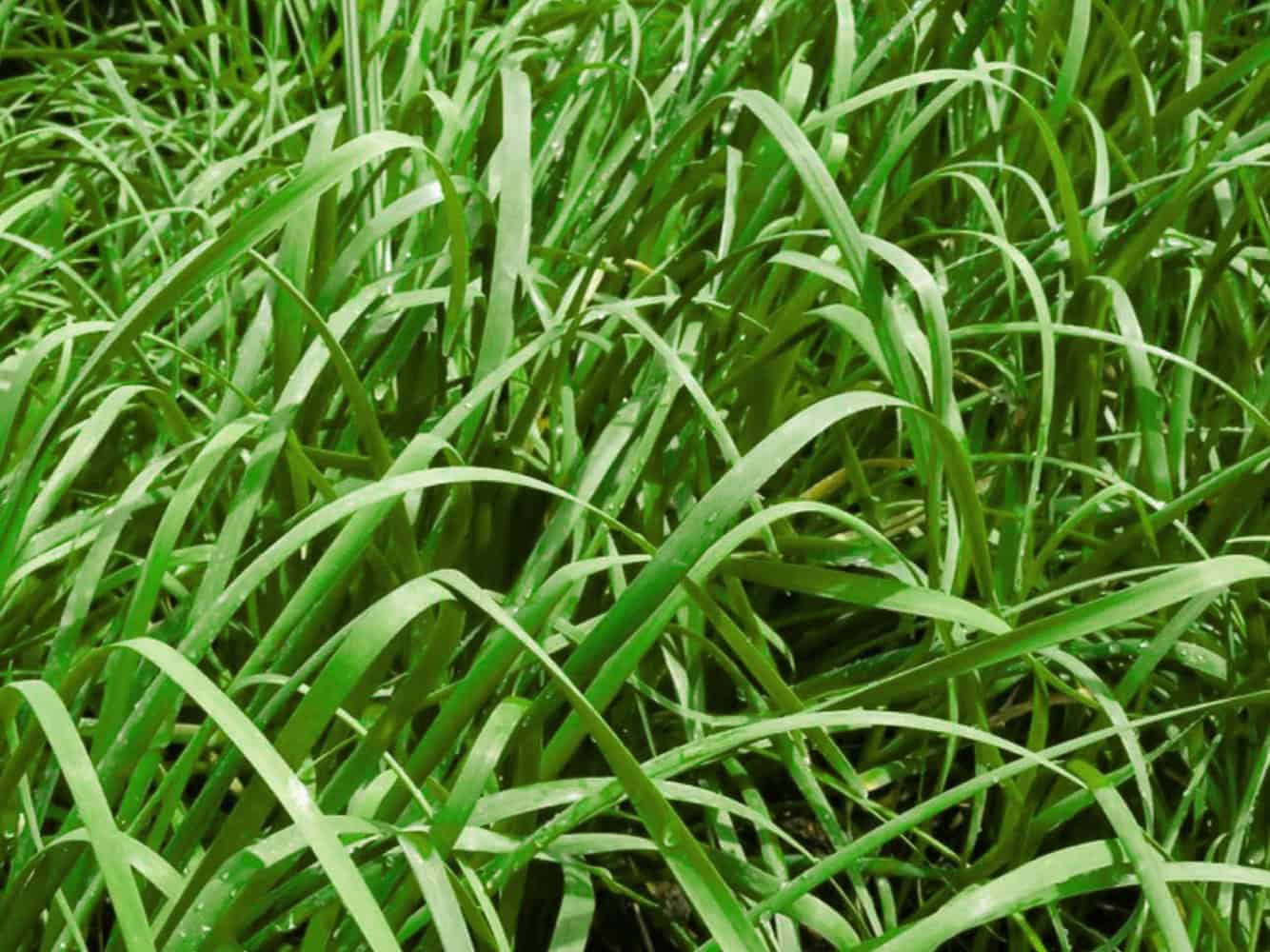
Description: Tall Fescue is versatile and adapts well to different climates, making it one of Europe’s most popular cool-season grasses. With a deep root system reaching up to three feet, it’s drought-tolerant and grows in bunches, giving a dense, lush appearance that requires minimal maintenance.
Care Tips:
- Watering: Requires deep but infrequent watering, ideal for regions with moderate rainfall.
- Mowing: Cut to 2-3 inches high, ensuring you don’t remove more than one-third of its length. Ariens’ IKON Series mowers handle taller grass with ease, making Fescue maintenance effortless.
- Overseeding: Overseed in spring to ensure even growth and coverage.
Perennial Ryegrass
Where it Grows: Northern and Western Europe
Description: Ryegrass is fast-growing and often used in seed blends to establish a new lawn quickly. With shallow roots, it prefers cooler temperatures and regular watering. Known for its lush green appearance, Ryegrass can be sensitive to drought but is highly resilient to foot traffic.
Care Tips:
- Watering: Needs consistent watering, about 1 inch per week.
- Mowing: Maintain a height of 1.5-2.5 inches. With its fast growth, regular mowing is essential; the ZENITH Series is ideal for frequent cuts, offering excellent control.
- Soil Care: Dethatch every other year to support healthy root development.
Kentucky Bluegrass
Where it Grows: Northern Europe and mountainous regions
Description: Known for its rich color and dense growth, Kentucky Bluegrass is a cool-season favorite. While it thrives in mild climates, it needs regular watering and fertilizing to stay vibrant, especially in warmer months.

Care Tips:
- Watering: Requires about 1-2 inches of water weekly.
- Mowing: Cut to 2.5-3 inches high, raising to 3-4 inches during summer heat. Use the IKON Series mower for smooth, even cuts that promote healthy growth.
- Seasonal Care: Dethatch every two years to ensure water and nutrients reach the roots.
Seasonal Tips for Grass Care in Europe
Grass care changes with the seasons. Here’s a quick guide:
- Spring: Overseed and aerate as temperatures warm up, especially for cool-season grasses.
- Summer: Keep watering consistent, particularly for cool-season grasses that may struggle in heat.
- Autumn: Apply a final round of fertilizer, and raise mowing heights to protect roots during the colder months.
- Winter: Avoid mowing if grass growth slows significantly, and minimize foot traffic on frosty lawns.
Keep Your Lawn Looking Its Best with Ariens
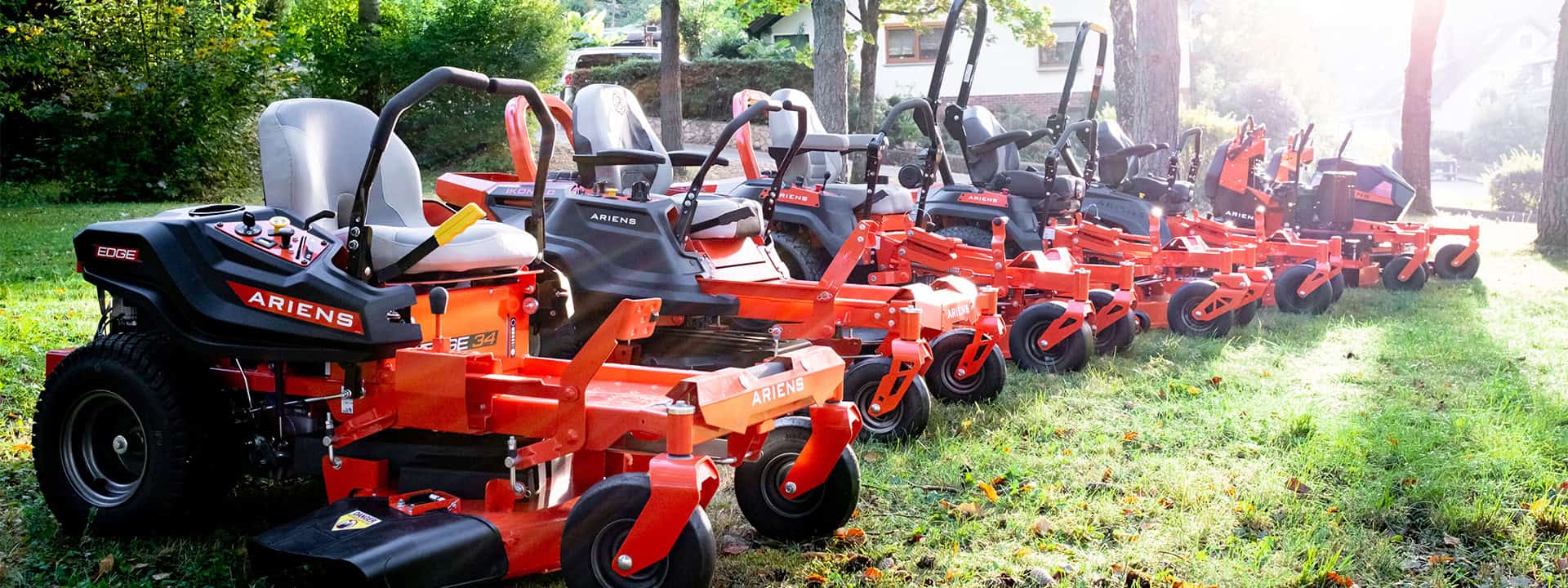
Understanding your grass type is the first step to achieving a healthy, beautiful lawn. With the right care and tools—like the IKON Series for residential lawns or the ZENITH Series for professional-grade cutting—you can enjoy a lush, green lawn throughout the seasons. For more expert tips on lawn care or to find the perfect mower for your grass type, visit our Ariens product lineup.