Zero-Turn vs. Riding Mowers: Which One is Right for Your Lawn?
Zero-turn mowers are designed to make mowing faster and more precise. This guide explores their pros and cons, compares them to traditional riding mowers, and provides tips to help you choose the right one. With their unique design and advanced features, zero-turn mowers are a game-changer for lawn care.
What Makes Zero-Turn Mowers Special?
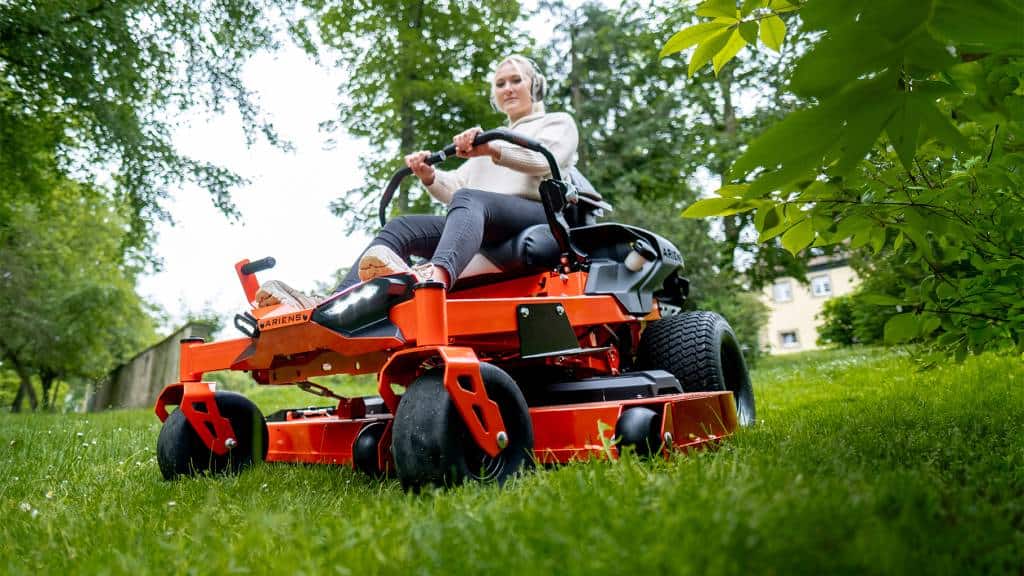
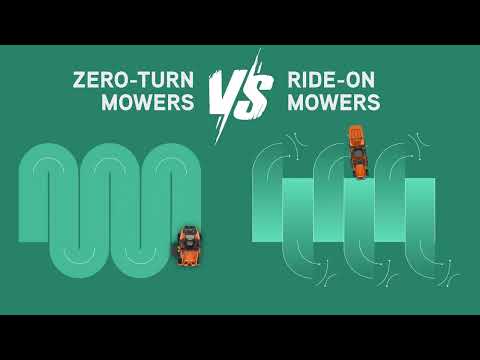
Zero-turn mowers steer using two independent motors that control the rear wheels. This allows for 180-degree turns on the spot, making them incredibly efficient for mowing around obstacles and tight spaces. Their innovative design saves time and effort, especially on large or complex lawns.
The Benefits of Zero-Turn Mowers
1. Time-Saving
Zero-turn mowers can be up to 40% faster than traditional mowers. For instance, they can mow a 4,000 m² lawn in just 55 minutes, compared to 90 minutes with a lawn tractor. This efficiency is ideal for large properties or professional use.
2. Precise Steering
With their zero-degree turning radius, these mowers deliver clean cuts around trees, flower beds, and other obstacles. This precision eliminates the need for extra trimming, saving even more time.
3. Comfortable Operation
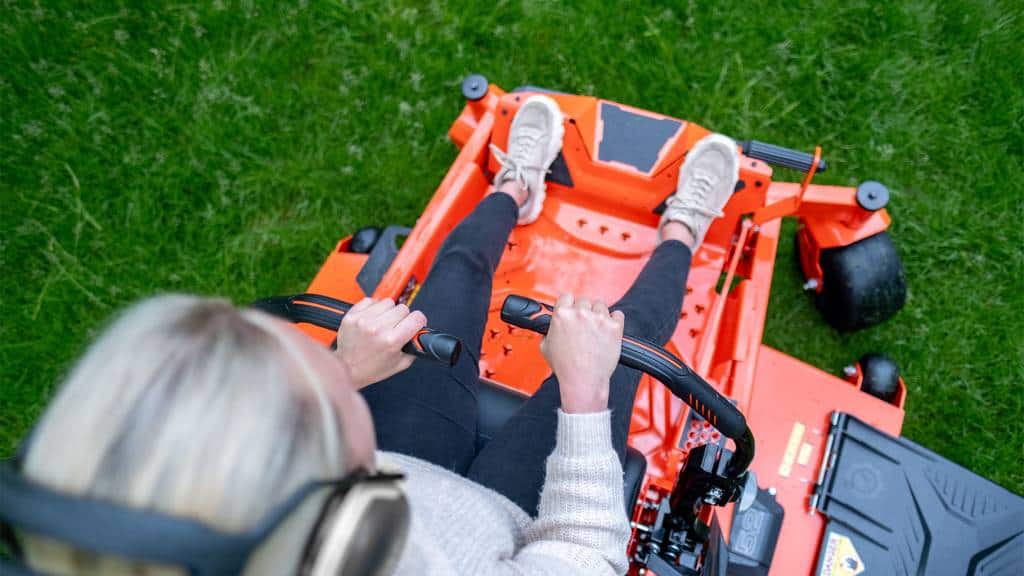
Zero-turn mowers are designed with operator comfort in mind. Key features include:
- Adjustable seats.
- Smooth, easy-to-use controls.
- Ample legroom to reduce fatigue during long mowing sessions.
4. Customization Options
A variety of attachments are available to enhance functionality, including:
- Mulching kits.
- Side-discharge tools.
- Canopies for shade.
These options allow you to tailor your mower to fit your specific needs and preferences.
5. Built for Durability
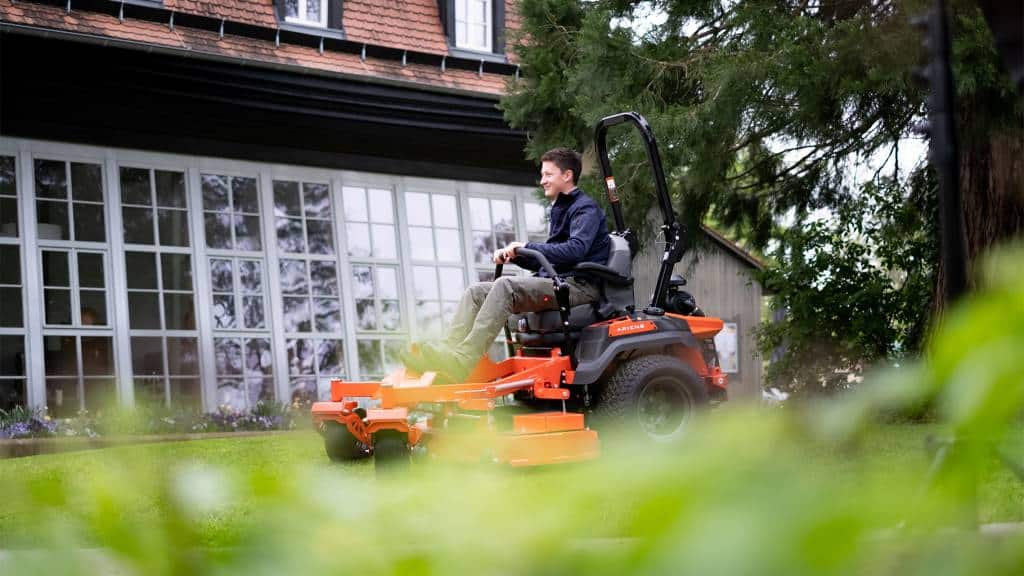
Zero-turn mowers are constructed with steel frames, reliable engines, and high-quality components. They’re designed to withstand heavy use, making them a great long-term investment for both homeowners and professionals.
Study by the University of Hohenheim – Institute of Agricultural Engineering
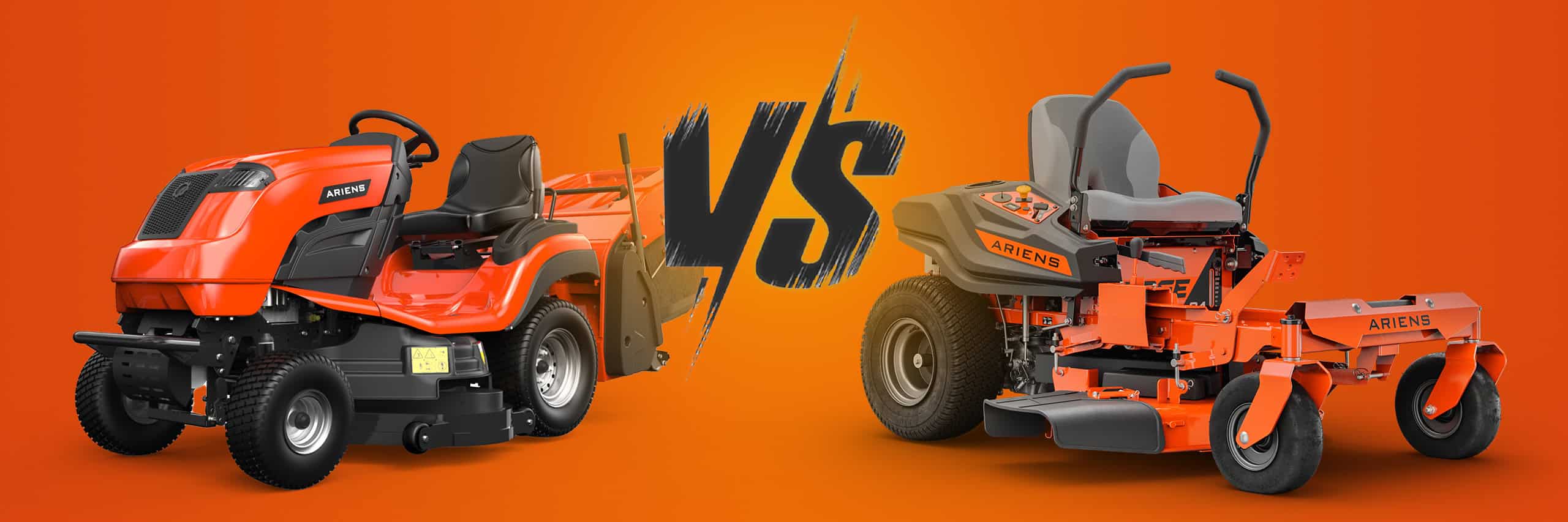
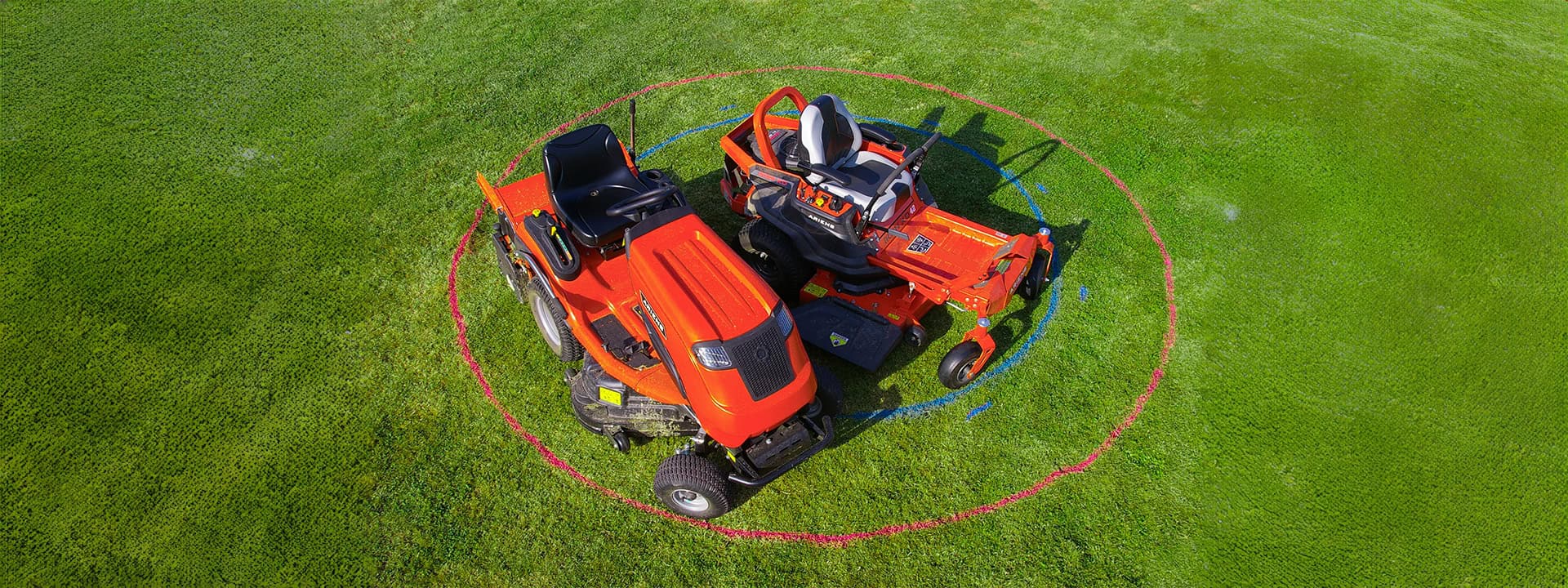
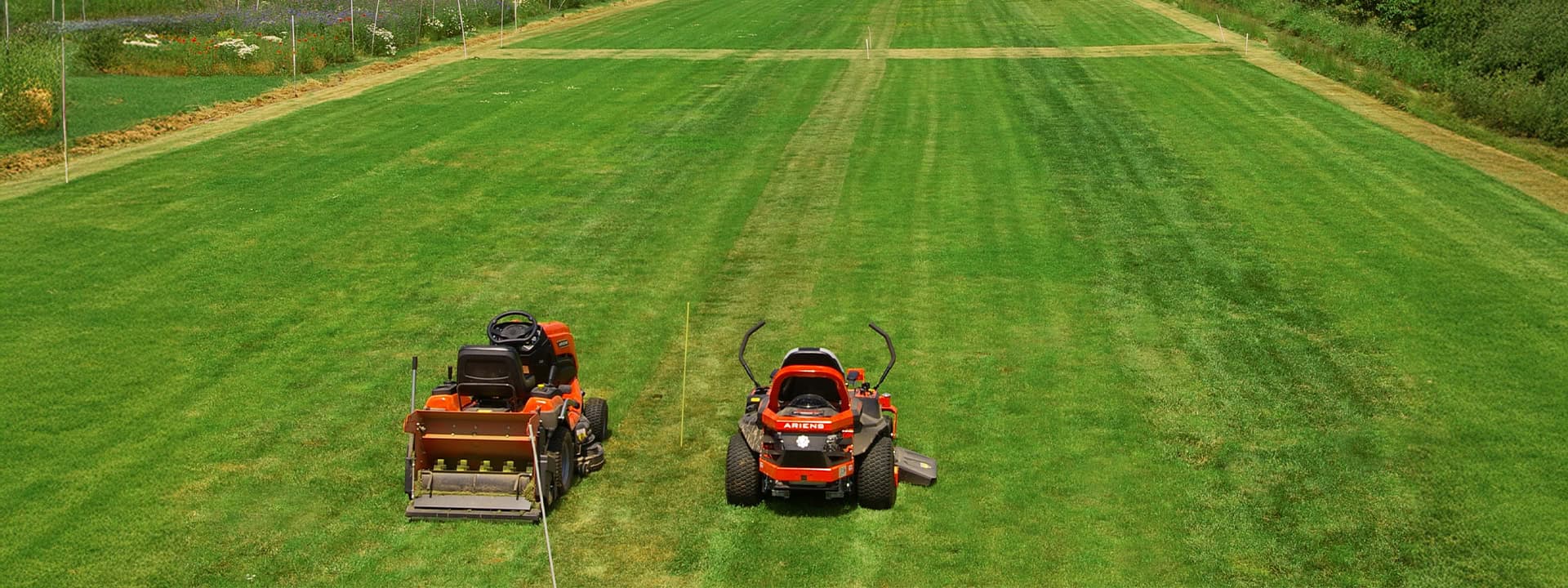
A comprehensive comparison test conducted by the University of Hohenheim’s Institute of Agricultural Engineering evaluated the efficiency and performance of a conventional lawn tractor (106 cm cutting width) and a zero-turn mower (106 cm cutting width). Below are the results from this practical trial:
| Criterion | Lawn Tractor Ariens C60 |
Zero-Turn Ariens IKON XD |
|---|---|---|
| Steering | Steering knuckle with steering wheel | Armoured steering with lever |
| Turning Radius | 2.2 m | 1.5 m |
| Turning Manoeuvre | Omega-turn 5 seconds |
Zero-turn 3.7 seconds |
| Quality of Cut | ++ | +++ |
| Physical Stress (heart rate measured by app) |
96 beats per minute | 89 beats per minute |
| Main Benefit | Catching | Speed, mowing without collection bag |
| Survey of the 17 Test Participants: “What would you buy?” |
5 participants: lawn tractor | 12 participants: zero-turn mower |
How much faster is a zero-turn mower compared to a lawn mower?
The zero-turn mower with the same cutting width is 40% FASTER than a lawn tractor!
Practical example with side discharge mowers from www.todaysmower.com
(estimated 4,000 m² flat terrain, ornamental lawn, 40 trees, some additional obstacles)
| Practical Trial | Self-Propelled Walk-Behind Lawn Mower, 55 cm | Lawn Tractor, 106 cm | Zero-Turn, 106 cm |
|---|---|---|---|
| Mowing Time (minutes) | 201 | 90 | 55 |
| Additional Rework Time (minutes) | 0 | 20 | 15 |
Considerations for Zero-Turn Mowers
1. Best on Flat Terrain
Zero-turn mowers excel on flat terrain where they deliver unmatched speed and precision. While they can handle gentle slopes, properties with steep inclines (over 10 degrees) may benefit from the added traction of a riding mower for optimal safety.
2. Unique Control System
Zero-turn mowers use lever-based steering, offering precise control and maneuverability. While it’s a change from traditional steering wheels, most users find it easy to master with a bit of practice, and many prefer it once they’re comfortable.
3. Investment Worth Considering
Zero-turn mowers typically come with a higher initial cost than riding mowers. However, their superior efficiency, speed, and long-term durability make them a smart investment for those who prioritize performance and time savings.
Zero-Turn vs. Riding Mowers
- Flat Terrain: Zero-turn mowers excel in speed and precision.
- Hilly Terrain: Riding mowers offer better traction and stability.
- Obstacles: Zero-turn mowers are perfect for navigating tight spaces, while riding mowers handle heavy-duty tasks better.
Who Should Use a Zero-Turn Mower?
Zero-turn mowers are ideal for:
- Large, flat lawns.
- Yards with trees, flower beds, or other obstacles.
- Professionals who need reliable, efficient equipment for frequent use.
If your property includes steep slopes or requires multi-purpose functionality, a riding mower might be the better choice.
Tips for Choosing the Best Mower
Choosing a zero-turn mower from Ariens is a smart choice for anyone seeking quality, durability, and performance. Known for their advanced engineering and innovative features, Ariens mowers are built to make lawn care efficient and enjoyable. From professional-grade models like the ZENITH to compact residential options like the EDGE, Ariens offers something for every lawn size and need.
- Match the Mower to Your Lawn: Larger properties benefit from models like the ZENITH, while smaller yards are well-suited for compact options like the EDGE.
- Consider Attachments: Add mulching kits, canopies, or other accessories to enhance your mowing experience.
- Try Before You Buy: Many dealers offer test drives, so you can ensure the mower feels right for you.
Conclusion
Zero-turn mowers make lawn care faster, easier, and more precise. While they’re not ideal for every property, they’re a perfect fit for flat, obstacle-rich lawns. With Ariens’ trusted quality and innovative designs, you’re sure to find a mower that meets your needs and saves you time.