How to Store Your Lawn Mower for Winter | Complete Guide

“Winterizing your lawn mower is essential for keeping it in peak condition. A few simple steps now, like stabilizing fuel and storing it properly, will ensure your mower is ready to start strong when spring arrives.”
Roman Mühleck, Lawn Care Expert at AriensCo
As winter approaches, it’s time to think about storing your lawn mower to keep it in top condition for next season. Properly winterizing your lawn mower not only extends its lifespan but also ensures it’s ready to tackle your lawn come spring. Whether you have a zero-turn mower or a traditional lawn tractor, follow these steps to winterize your mower correctly.
1. Why Stabilize the Fuel in Your Lawn Mower?
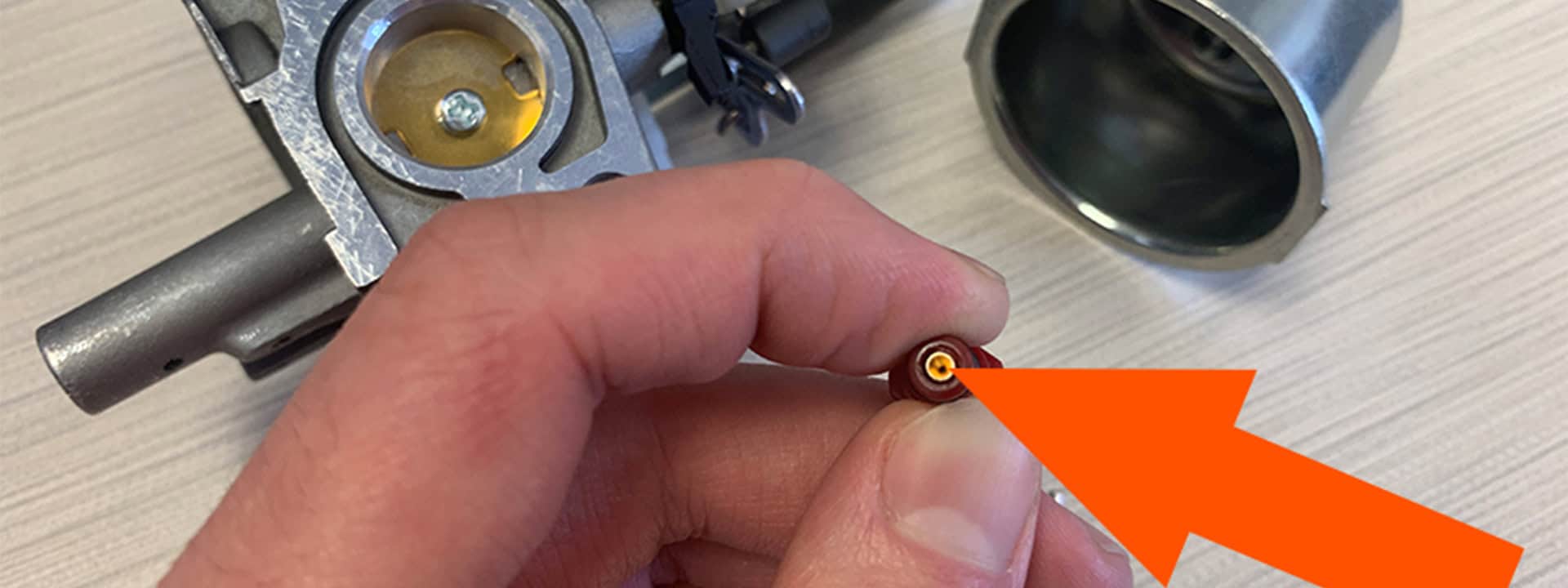
One of the most crucial steps in winterizing a gasoline-powered mower is stabilizing the fuel. Gasoline degrades quickly, leading to clogs and damage if left untreated. Adding a fuel stabilizer helps prevent the gasoline from breaking down and causing issues in the carburetor and fuel lines.
How to Stabilize Fuel:
- Check Fuel Freshness: If the fuel in your mower is older than two weeks, it’s best to drain it and refill with fresh fuel. Gasoline begins to degrade as soon as it’s pumped.
- Add Fuel Stabilizer: If the fuel is fresh, add a stabilizer according to the product instructions, based on the amount of fuel in the tank.
- Run the Engine: Start the engine and let it run for 5-10 minutes to circulate the stabilized fuel throughout the system. Afterward, close the fuel valve (if available) and let the engine run until it stops. This step helps prevent residue buildup.
“Adding fuel stabilizer keeps your mower’s fuel fresh and protects it from winter damage,” says Roman Mühleck, lawn care expert at AriensCo.
2. Should You Change the Oil Before Storage?
Yes, changing the oil is highly recommended, as it removes any contaminants and extends the life of your engine. Old oil can contain particles that may damage engine components if left for extended periods.
Steps for Changing the Oil:
- 1. Drain Old Oil: Place an appropriate container under the drain plug, remove it, and let the oil drain completely.
- 2. Replace the Oil Filter: Remove the old filter, install a new one, and apply a thin layer of fresh oil to the gasket for a secure seal.
- 3. Add New Oil: Refill with the recommended oil type and amount listed in your engine manual.
- 4. Check for Leaks: Start the engine and inspect for any leaks to ensure proper installation.

3. How to Maintain the Battery During Winter?
Lawn mower batteries can lose charge over time, especially if exposed to cold temperatures. Taking care of the battery over winter ensures it’s ready to go in spring.
Battery Maintenance Tips:
- Option 1: Remove the Battery – Store the battery indoors in a dry, cool location to prevent it from freezing.
- Option 2: Disconnect and Trickle Charge – If removing the battery isn’t practical, disconnect the cables and connect the battery to a trickle charger. This keeps it charged and prevents discharge.
- Check Charge Levels Regularly: Even with a trickle charger, it’s a good idea to check the battery every few weeks.
4. Clean and Inspect the Mower Deck
Grass clippings and debris left on the mower deck can lead to rust and corrosion. Cleaning the deck thoroughly before storage helps keep your mower in optimal condition.
Steps for Cleaning the Deck:
- Remove Any Debris: Use a brush or compressed air to clear grass and dirt from the deck and blades.
- Wash and Dry: Rinse the deck with water, then allow it to dry completely. For added protection, consider applying a thin layer of rust inhibitor to the underside.
- Inspect the Blades: Check the blades for any signs of damage. If they’re dull, sharpen or replace them so your mower is ready for spring.
5. Why Should You Store Your Mower in a Dry, Cool Location?
Where you store your mower can significantly impact its condition. Cold, damp environments can lead to rust, battery discharge, and other issues.
Storage Tips:
- Keep It Indoors: Store the mower in a garage or shed to protect it from harsh weather.
- Use a Cover: If indoor storage isn’t available, consider using a weatherproof cover to shield it from moisture.
- Avoid Extreme Cold: Temperatures that drop below freezing can cause issues with both the battery and the engine. Keeping your mower in a climate-controlled area is ideal if possible.
6. Final Maintenance Tips: Air Filter, Spark Plug, and Other Components
Winter is the perfect time to check smaller components like the air filter and spark plug, which are essential for your mower’s performance.
Steps for Additional Maintenance:
- Replace the Air Filter: A clean air filter allows for better airflow, making the engine run efficiently.
- Inspect the Spark Plug: Check for signs of wear and replace if needed. A fresh spark plug improves starting and performance.
- Lubricate Moving Parts: Apply a small amount of oil to hinges, wheels, and any other moving parts to prevent rust and ensure smooth operation in spring.
By following these steps, you can protect your lawn mower from winter damage, ensuring it stays in peak condition for the next mowing season. Proper winterization includes stabilizing fuel, changing the oil, maintaining the battery, cleaning the deck, and storing your mower in a suitable environment. For more lawn care tips and maintenance advice, visit Ariens and explore our full range of mowers and accessories.