User-Friendly Snow Blowers: Easy Operation & Maintenance Tips

“Operating a snow blower doesn’t have to be intimidating. With the right model and a few essential tips, clearing snow can be straightforward and hassle-free. A well-chosen, user-friendly machine and regular maintenance will help anyone tackle winter’s toughest conditions with ease and confidence.”
Kristian Inderberg, Snow Care Expert at AriensCo
If you’re new to using a snow blower, it might seem complex at first, but with a little guidance, snow removal can become a quick and easy task. From choosing the right machine to learning basic maintenance, these beginner-friendly tips will help you make snow clearing a hassle-free experience.

Choosing a User-Friendly Snow Blower
Selecting the right snow blower is essential for ease of use. Here are a few factors to consider to ensure you’re getting the best model for your needs.
- Size and Power: Consider the area size and average snowfall in your region. For smaller areas with light snow, a compact model is ideal. For larger areas with heavy snow, a two-stage or more powerful model is better suited.
- Right Fit for Your Property: A snow blower that’s too large can be difficult to maneuver, while an underpowered model will struggle in heavy snow. Finding the right balance will make the process smoother and less time-consuming.
Electric Start: Snow blowers with an electric start or push-button system are much easier to operate, especially in freezing weather. This eliminates the hassle of pulling a cord, saving you time and effort.
Directional Control: Select a model with a user-friendly chute control to adjust where snow is thrown. This makes your snow blower more versatile and lets you direct snow where you need it.
Better for Tight Spaces: Compact snow blowers are ideal if you’re working in smaller areas or on narrow paths. Easier maneuverability is a big advantage for new users, making the machine simpler to handle and maintain.
Tool-Less Access: Look for features like tool-less oil changes or accessible spark plugs. Easier maintenance not only improves the snow blower’s performance but also prolongs its life.
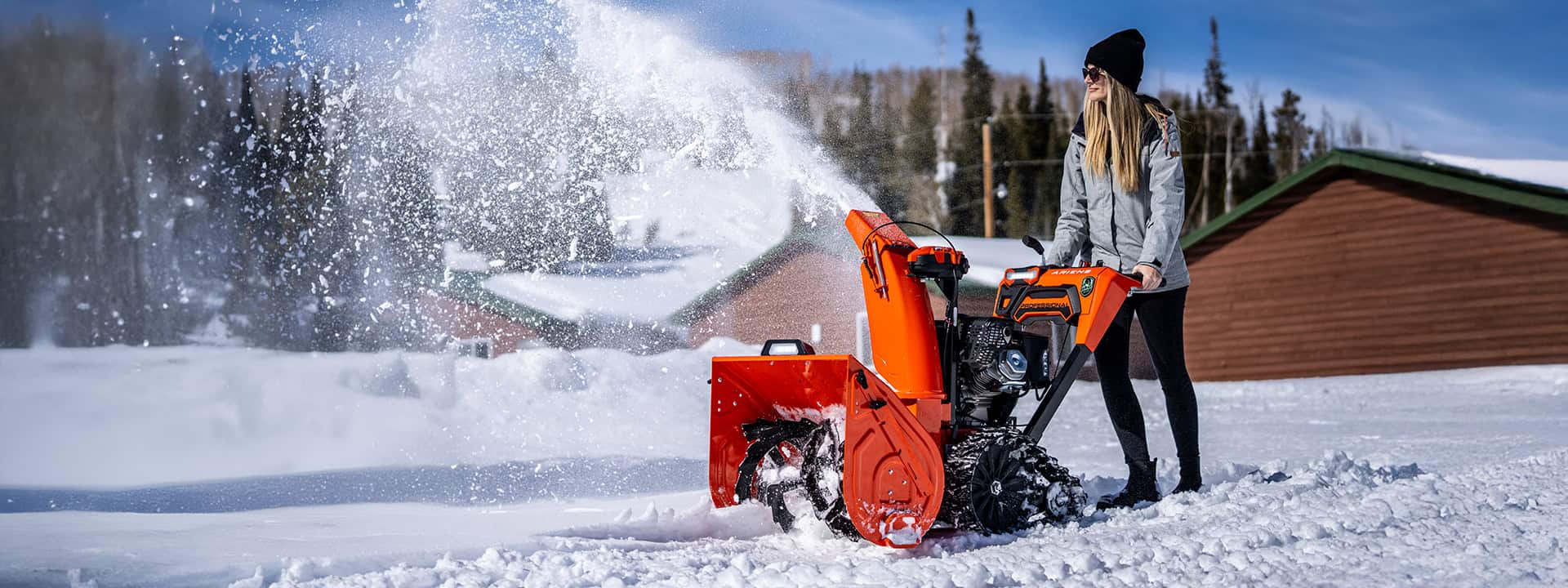
Snow Blower Preparation Tips for Beginners
Preparation makes snow removal simpler and helps avoid potential issues. Follow these steps to get started confidently.
Understand Your Machine: The owner’s manual provides crucial information about assembly, operation, and safety features. Take time to familiarize yourself with it before the first use.
Safety Gear: Always wear gloves, eye protection, and other recommended safety gear. Be sure to locate and understand the emergency shut-off switch and proper starting procedures.
Remove Obstacles: Check the area for rocks, branches, or debris that could damage your snow blower. Clearing the space ensures a smoother, safer operation.
Recommended Fuel Type: Always use the fuel specified in your manual. The right fuel helps maintain peak performance and prevents issues with the engine.
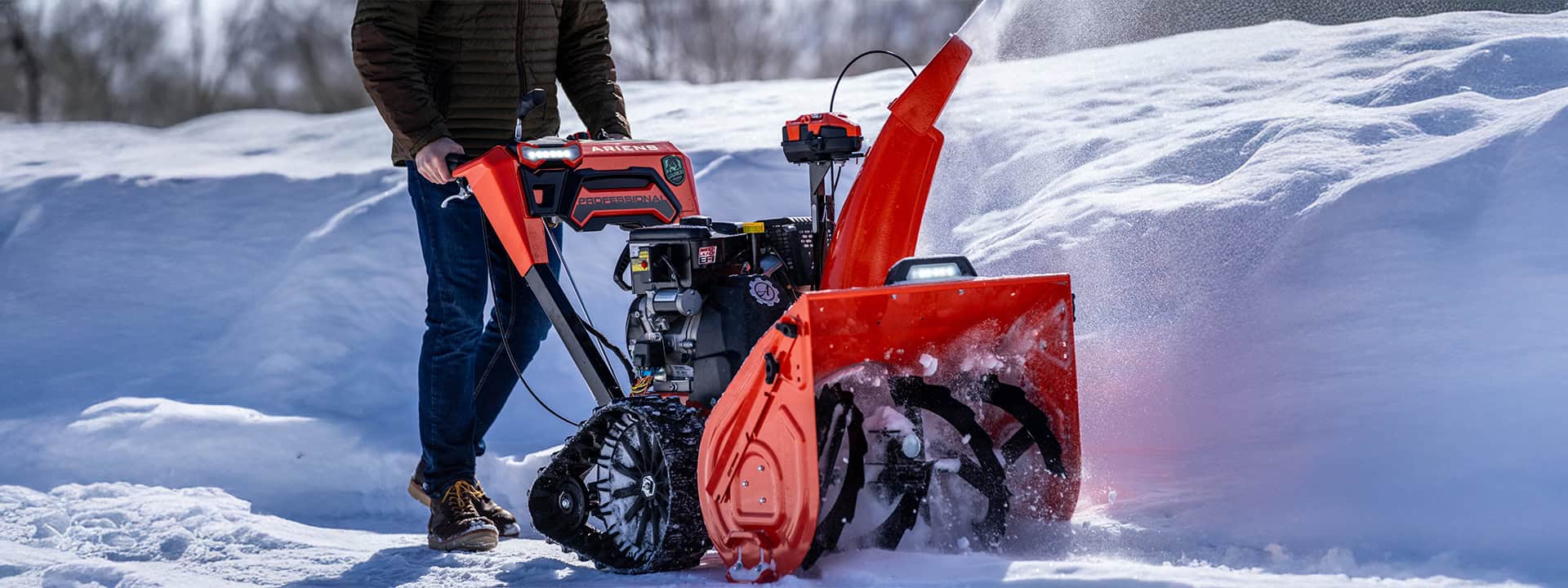
Snow Blower Operation Tips
With these beginner tips, operating your snow blower will feel much more manageable.
Gradual Speed Increase: If you’re new to snow blowers, begin at a slow pace. As you grow more comfortable, gradually increase the speed.
Mindful Snow Direction: Be aware of where you’re directing the snow, and avoid aiming it at people, vehicles, or windows. Adjust the chute as needed for safe, controlled snow removal

Snow Blower Maintenance Tips for New Users
Routine maintenance keeps your snow blower in peak condition. These basic checks are easy to perform and will extend the life of your machine.
Remove Snow and Debris: After each use, clear out any accumulated snow and debris to prevent clogging and ensure the machine operates smoothly.
Regular Oil Checks: Maintaining the correct oil level and replacing it according to the manufacturer’s recommendations is crucial for engine longevity.
Replace When Needed: Check the spark plug for signs of wear and replace it if necessary. This ensures consistent engine performance.
Check for Wear: Look for damage or signs of wear on belts and the auger system. Replace any worn parts to keep the machine running efficiently.
With these tips, you’ll be well-equipped to operate and maintain your snow blower with confidence. For more options and models, browse the full Ariens snow blower lineup.