When is the last time my lawn needs a haircut in autumn?

Hans-Jürgen Negele, Head Greenkeeper
When is the right time to cut the grass for the last time? Do I cut the grass particularly short or leave it a little longer? Should the last cut be done before or after the first frost? When it comes to questions like these, it's best to ask someone who knows a lot about lawns for advice. Preferably a real, professional, Bundesliga and golf head greenkeeper.
Hans-Jürgen Negele has made lush, green turf his life. He is currently head greenkeeper at the Golfclub zu Gut Ludwigsberg in Türkeim (Allgäu) and has previously worked in this role for FC Augsburg. Even today, he still advises the Augsburg team when the stadium turf doesn’t quite want it.
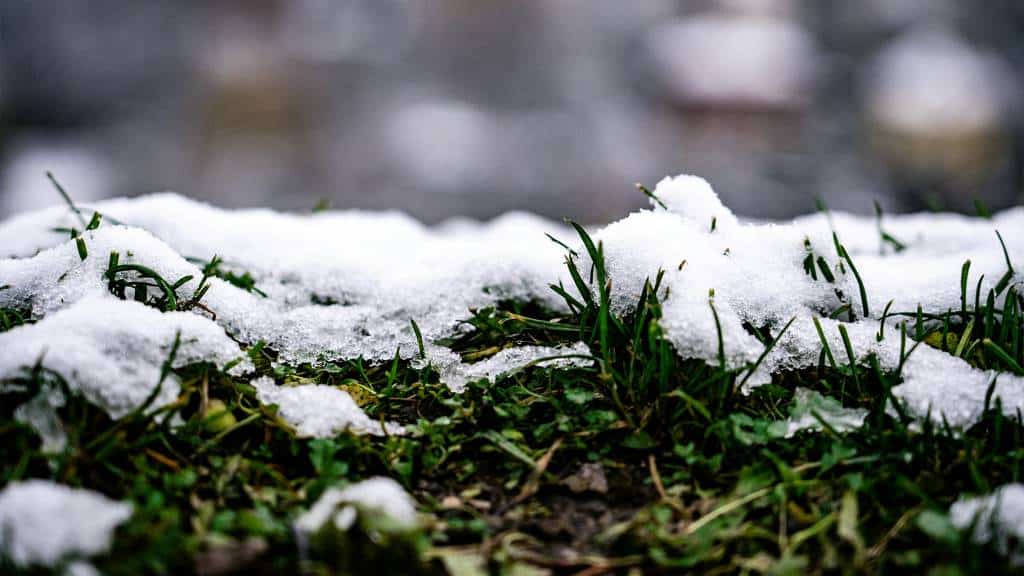
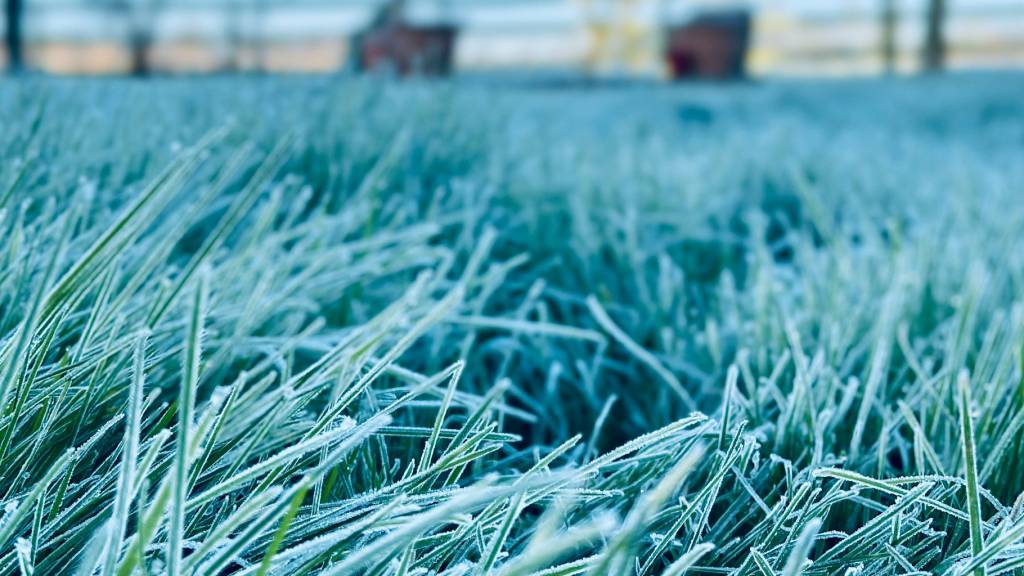
First note from the lawn professional: The frost has nothing directly to do with the last cut. But the soil temperature does. From a soil temperature of 8° Celsius, a lawn will no longer grow. The last cut should be made during this period of arrested growth. Some time later comes the first frost. In the case of the Golfclub zu Gut Ludwigsberg, in the Allgäu, this is usually mid to late October, in warmer regions, such as Freiburg im Breisgau, up to four weeks later.
But what if things turn out differently? When it gets warmer again instead of colder? It’s quite simple. Then the lawn can be cut again, a so-called cleaning cut, preferably with a grass catcher. From a ground temperature of 8° Celsius, it’s time to call it a day again.
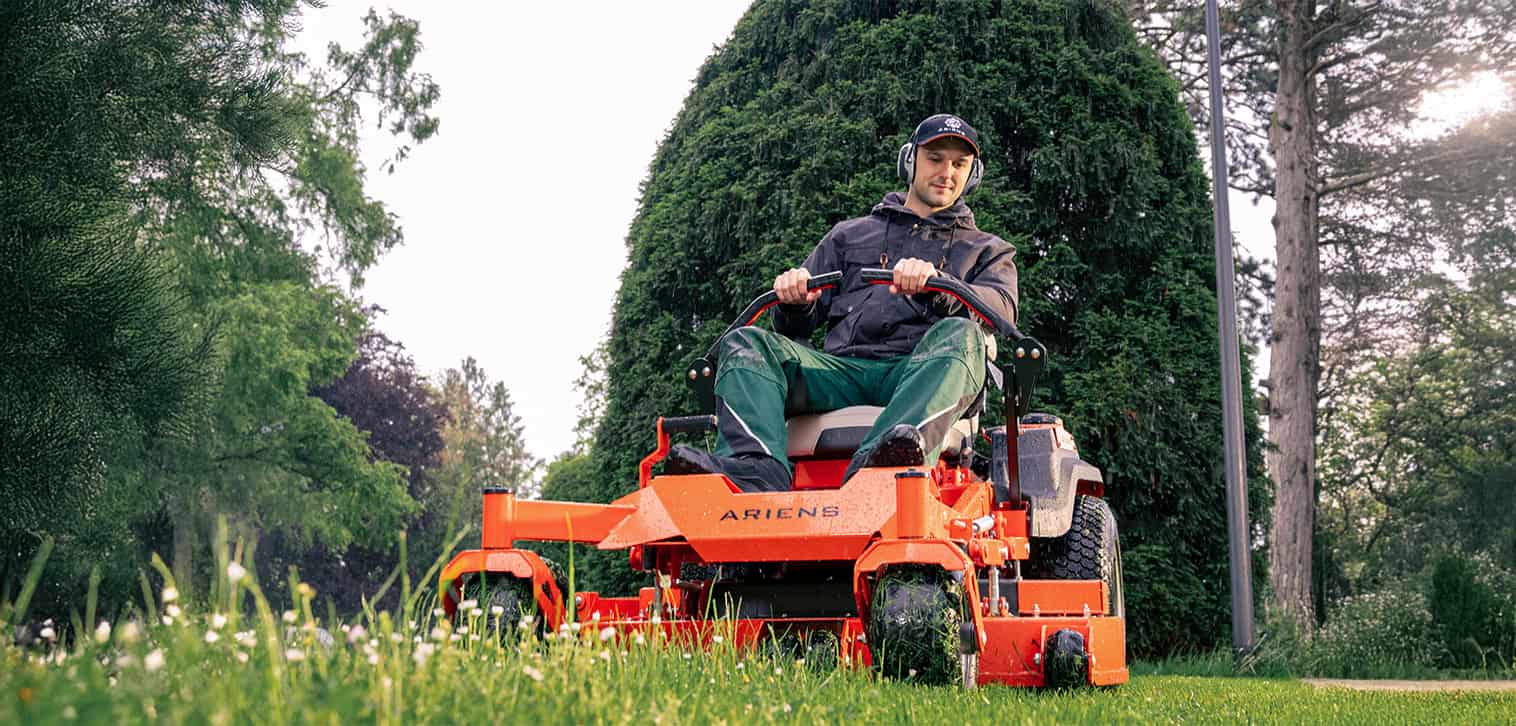
What cutting height is ideal for winterising the lawn? The trained lawn professional recommends 5-7 cm, he himself favours 5 cm. If the lawn is longer, it can ‘fall over’ under a blanket of snow and diseases and snow mould can form if it comes into direct contact with the ground. If the lawn is shorter than 5 cm, it will have difficulty drying out, which can also be harmful. If the lawn is too short in spring, the weeds can establish themselves faster and more strongly than the lawn at the start of the growth phase.
Does fertilisation make sense at the end of the growth phase? Yes, is the answer from the head greenkeeper. He recommends potassium-emphasised NPK fertiliser and possibly some iron fertiliser for a richer colour in spring. The correct dosage can be found on the packaging of the respective fertiliser
In spring, bare patches can then be repaired by reseeding or overseeding. Experts recommend working the seed into the soil to a depth of around half a centimetre or at least covering it with moist, washed quartz sand to prevent the seed from drying out. Simply scattering the seed, according to the motto ‘a lot helps a lot’, is not very promising, as 90 per cent of the seed will not take root.
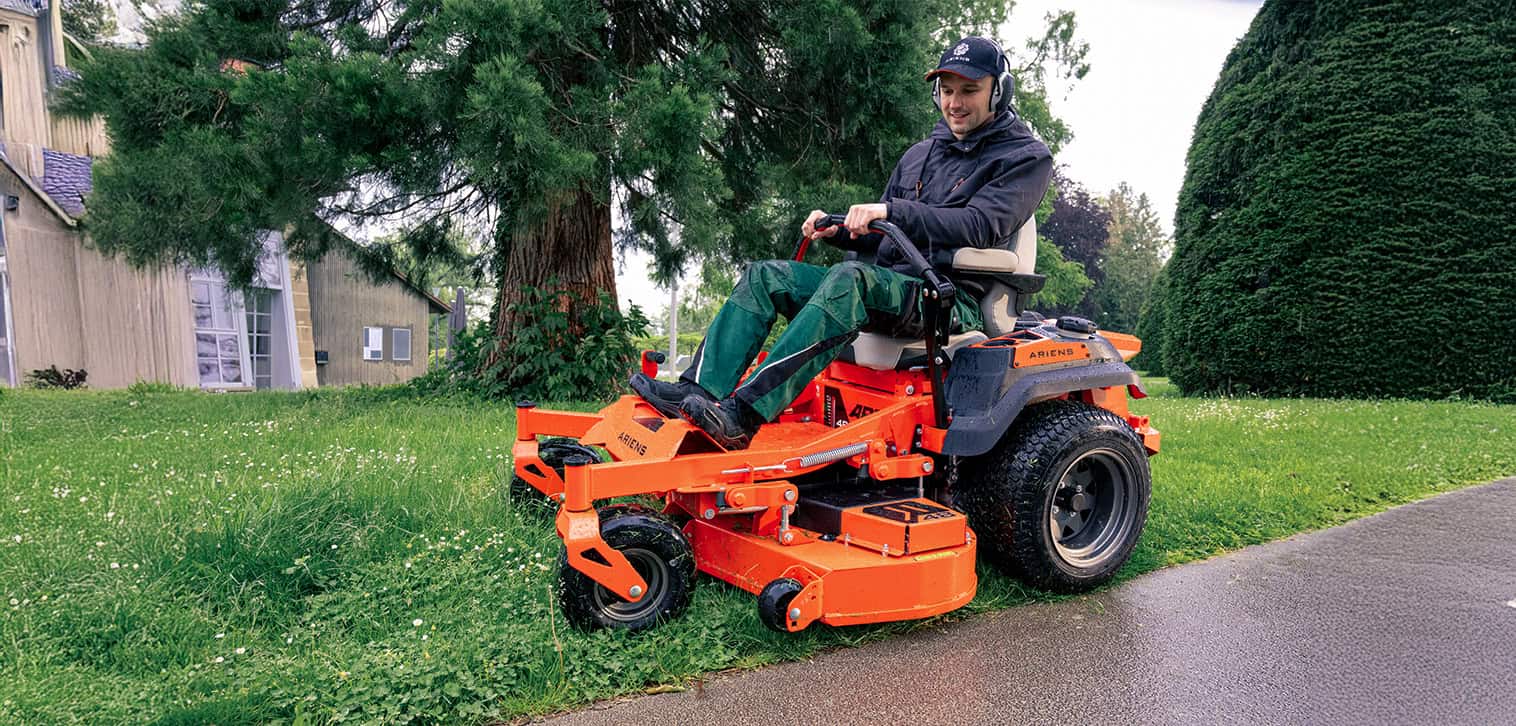
In response to my personal question about what I could do on my north-west side to combat the heavy mossing of my own lawn, he also had a tip. Unfortunately, there is no such thing as a real shady lawn. With little light and increased moisture, mosses and lichens always take over more than the lawn itself. In addition to scarifying and aeration, shade-tolerant lawn varieties can provide some relief. H.J. Negele obtains the seed for his areas from ProSementis, a specialist in lawn seed.
Last question for today. How can I actually become a real greenkeeper like Hans-Jürgen Hegele? Are there greenkeeper schools? Yes, there really are, the trained professional for lawn care tells me. At the DEULAs in Krefeld and Freising, you can obtain the qualified qualification ‘Specialist in Sports Ground Maintenance’. After that, you can do a lot of work and increasingly have to deal with constant rain or drought. The job hasn’t become any easier in recent years, but someone has to do it – like Hans-Jürgen Negele and his team.
Thank you very much for the interview.
Roman Mühleck, AriensCo GmbH, Produktmarketing