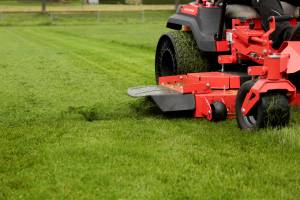
Essential Tips for Mowing Your Lawn During Winter
Keeping your lawn healthy through the winter months ensures it will bounce back vibrant and green in the spring. While grass may grow more slowly—or even go dormant—in colder weather, proper care during winter can make a significant difference. From maintaining the correct height to mowing at the right times, these tips will help you manage your lawn even when temperatures drop.
1. How Long Should Grass Be in Winter?
Grass length varies by season and grass type. Generally, you want to keep warm-season grasses shorter than cool-season varieties. During winter, warm-season grasses like Bermuda should be kept at 1.5 to 2 inches tall. Cool-season grasses such as Kentucky Bluegrass can be left a bit longer, around 2.5 inches.
Do you know your grass type? Read our post from earlier this year that describes the growing areas, characteristics and care instructions for the most common grass types.
Why Grass Shouldn’t Be Too Tall in Winter:
Allowing grass to grow over three inches can lead to fungal diseases due to restricted airflow and moisture buildup. Long grass can also attract pests, such as mice, looking for a place to shelter in the cold.
Why Grass Shouldn’t Be Too Short in Winter:
Cutting grass too short reduces its ability to absorb sunlight and nutrients, leading to a stressed, yellowed lawn. As a rule, avoid cutting more than one-third of the grass blade at a time. Gradually reduce the height if your grass has grown longer than you’d like.
2. How Often Should You Mow in Winter?
The good news is that mowing frequency decreases significantly in winter. Instead of weekly mowing, you can cut back to once every three to four weeks, depending on the climate in your area. As temperatures drop to around 10°C (50°F) or lower, grass growth slows, so you may not need to mow as often.
Tip: If temperatures fall low enough that growth halts completely, you can pause mowing altogether until spring.
3. Should You Only Mow When the Grass Is Dry?
Yes, it’s essential to mow only when the grass is dry. Winter brings unpredictable weather, so finding the right time to mow can be tricky. Mowing wet grass can damage roots and cause an uneven cut. Additionally, water weight can bend grass blades, resulting in an uneven finish.
Watch Out For:
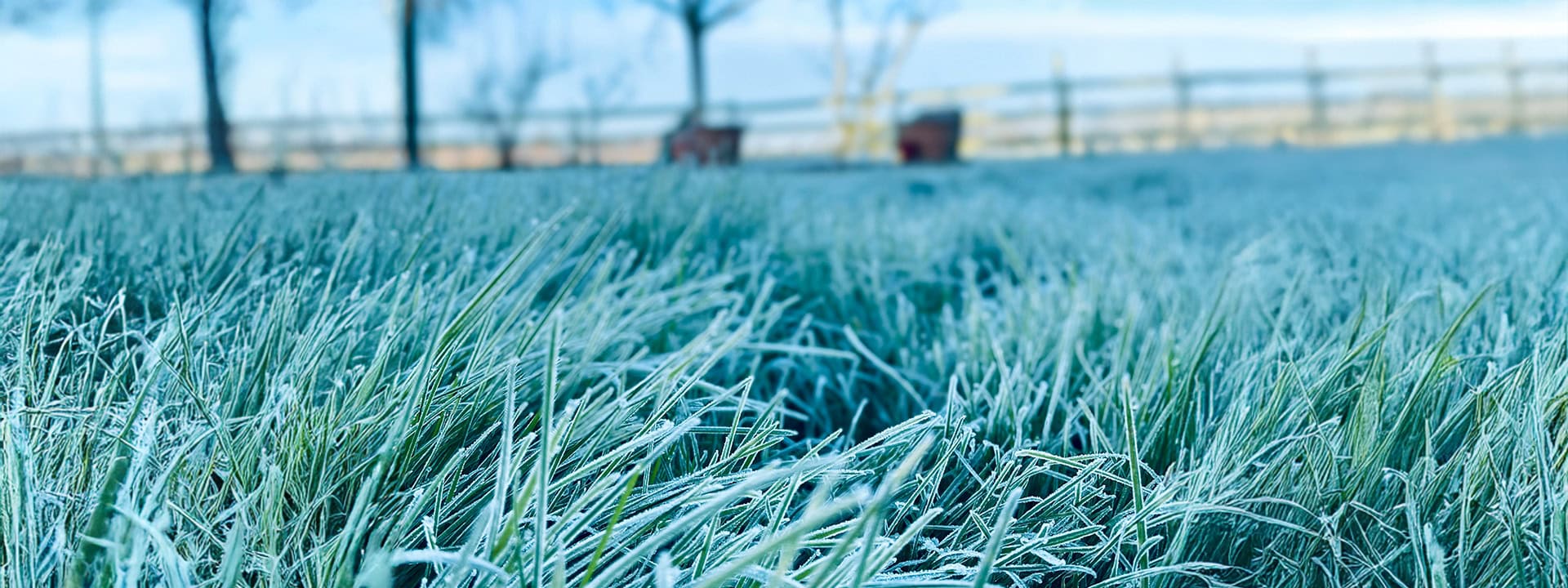
- Rain, Snow, and Frost: Avoid mowing wet or frosty grass, which is more vulnerable to damage. Frost can cause warm-season grass to go dormant and makes even cool-season grass more delicate. For best results, wait for the grass to dry and for frost to lift.
4. Can Walking on Frozen Grass Harm It?
Yes, grass becomes more brittle and fragile in colder temperatures. Unlike the flexibility it has in summer, winter grass can break easily, which delays its recovery in spring.
Tips for Reducing Foot Traffic:
- Keep sidewalks and paths clear with a snow blower to encourage people to use walkways instead of the lawn.
- Limit foot traffic on the grass, especially during frosty mornings, to prevent damage.
5. Why Should You Keep Your Lawn Clear?
Leaves, branches, and other debris can suffocate grass, block sunlight, and encourage fungal growth. Keeping your lawn clear in winter helps maintain airflow and prevents disease.
Options for Leaf Removal:
- Raking: If possible, rake leaves before the first frost. This allows your lawn to “breathe” and stay healthy.
- Mulching: Use a mulching mower to chop leaves into small pieces, allowing them to decompose and provide nutrients to the soil. Just be cautious not to mulch too many leaves at once, as this can smother the grass.
Also, remove any seasonal decorations, toys, or garden furniture to avoid dead patches. These items block airflow and sunlight, weakening the grass over winter.
6. How Should You Care for Your Lawn Mower in Winter?
Winter is the perfect time to give your lawn mower a bit of TLC. Regular maintenance ensures your mower will be ready for action in spring, running smoothly and efficiently.
Winter Mower Maintenance Tips:
- Change the Oil: Fresh oil keeps the engine lubricated and running well.
- Sharpen the Blades: Sharp blades make for a clean cut, which is healthier for your grass.
- Clean the Deck and Engine: Clear any grass clippings and debris to avoid corrosion.
- Check the Air Filter and Spark Plugs: Replacing these parts as needed will keep your mower performing at its best.
Storage Tip: Store your mower indoors in a dry, cool area to protect it from harsh winter conditions. Avoid exposure to moisture or extremely low temperatures, which can cause parts to degrade.
For more detailed storage and maintenance tips, see our guide on caring for your lawn mower in the offseason.
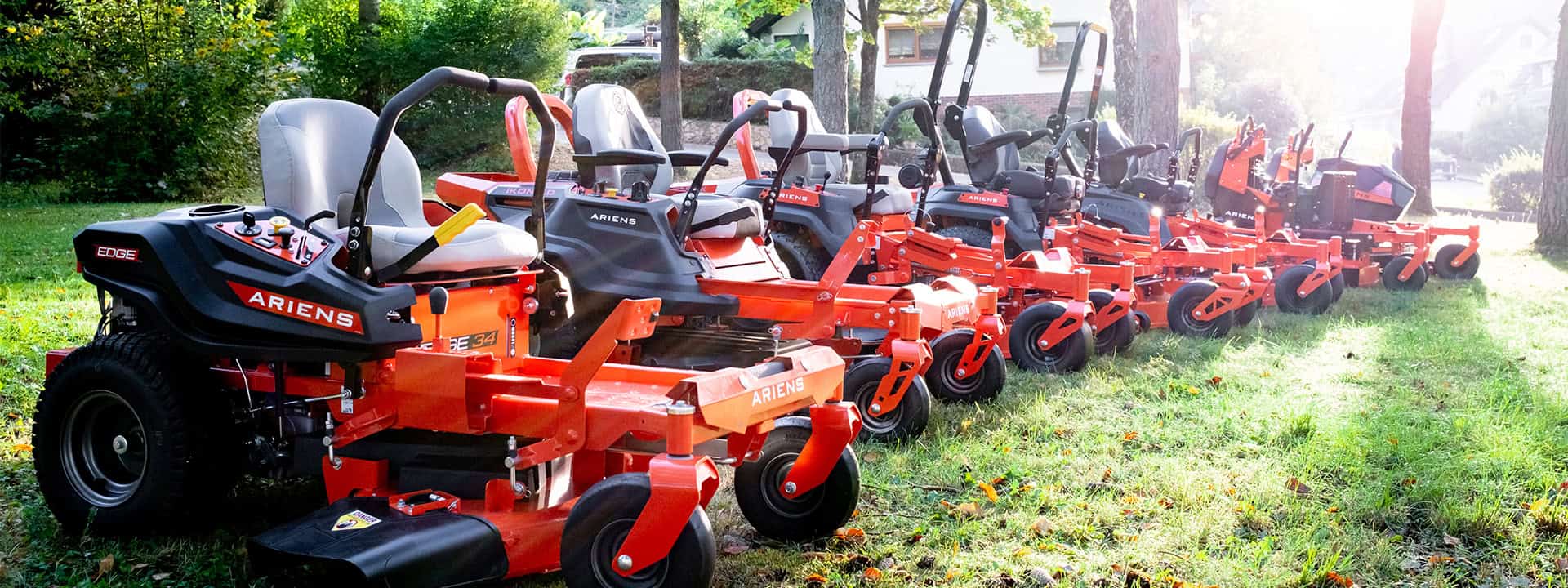
By following these tips, you can keep your lawn looking its best and help it emerge from winter healthy and green. Regular mowing, along with maintaining the correct grass height and minimizing foot traffic, are key steps to ensuring your lawn stays resilient. And when you’re ready to mow, rely on quality tools like our Zero-Turn mowers from Ariens for optimal results.
For more lawn care advice and product recommendations, visit Ariens online to explore our full lineup.