Per evitare che il canale di scarico della tua spazzaneve si intasi quest'inverno, puoi seguire questi consigli

“With the right preparation, even the heaviest snowfalls become manageable. Keep your snow blower chute clog-free, and you’ll clear your drive with ease.”
Kristian Inderberg, Snow Care Expert at AriensCo
paesaggi innevati in inverno possono essere mozzafiato, ma quando si tratta di liberare il vialetto di casa, la neve pesante e bagnata può rapidamente intasare il canale di scarico della tua spazzaneve, trasformando un compito veloce in un lavoro che richiede tempo. Gli intasamenti nel canale riducono le prestazioni e rendono più difficile rimuovere la neve. Fortunatamente, alcuni semplici accorgimenti possono mantenere il canale di scarico della spazzaneve libero anche nelle condizioni più difficili.
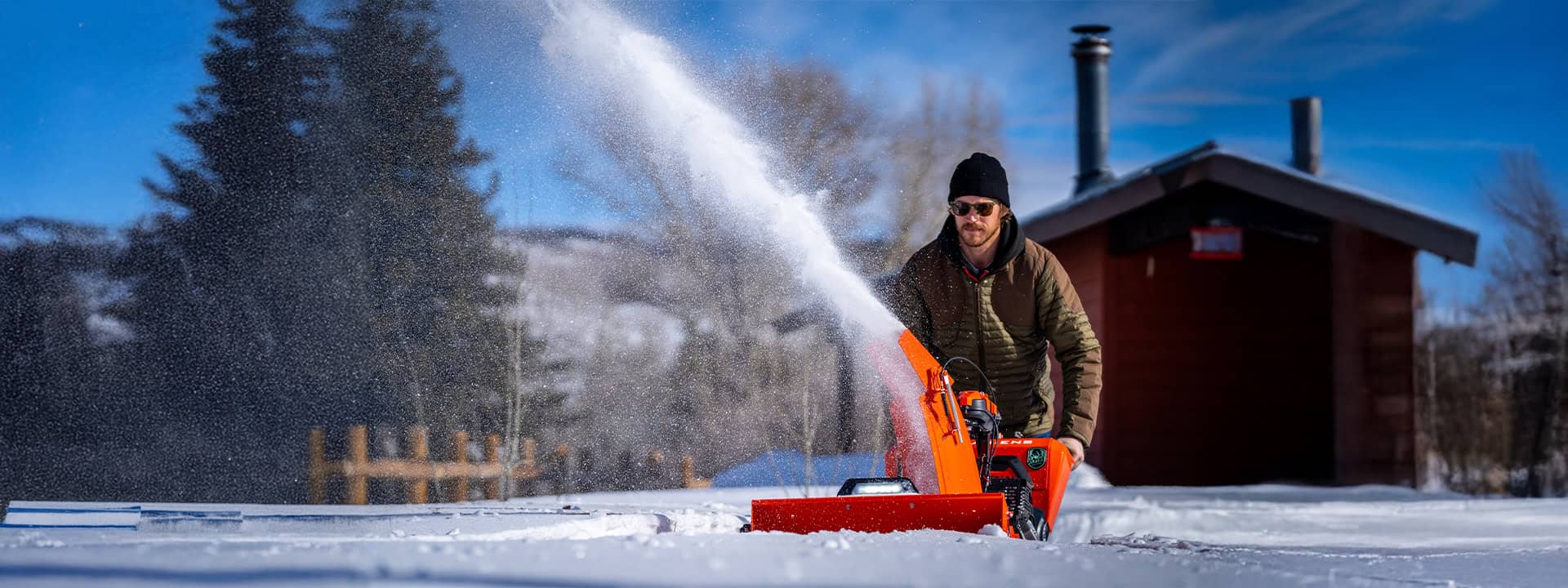
Perché il camino di scarico di una spazzaneve si intasa?
Se stai sperimentando intasamenti, di solito è dovuto a due problemi comuni: il tipo di neve o la tua tecnica di utilizzo della spazzaneve.
1. Neve pesante bagnata
La neve pesante con alto contenuto di umidità è spesso il principale colpevole. Questo tipo di neve si compatta più facilmente, formando grumi mentre passa attraverso la coclea e il canale di scarico. È perfetta per costruire pupazzi di neve, ma terribile per la tua spazzaneve. Questa neve compatta può facilmente bloccarsi nel canale, rallentando o addirittura arrestando il tuo lavoro di pulizia.
2. Se stai sperimentando una pulizia lenta della neve, potrebbe essere dovuto a diversi fattori. Ecco cosa controllare e alcuni suggerimenti per velocizzare il processo
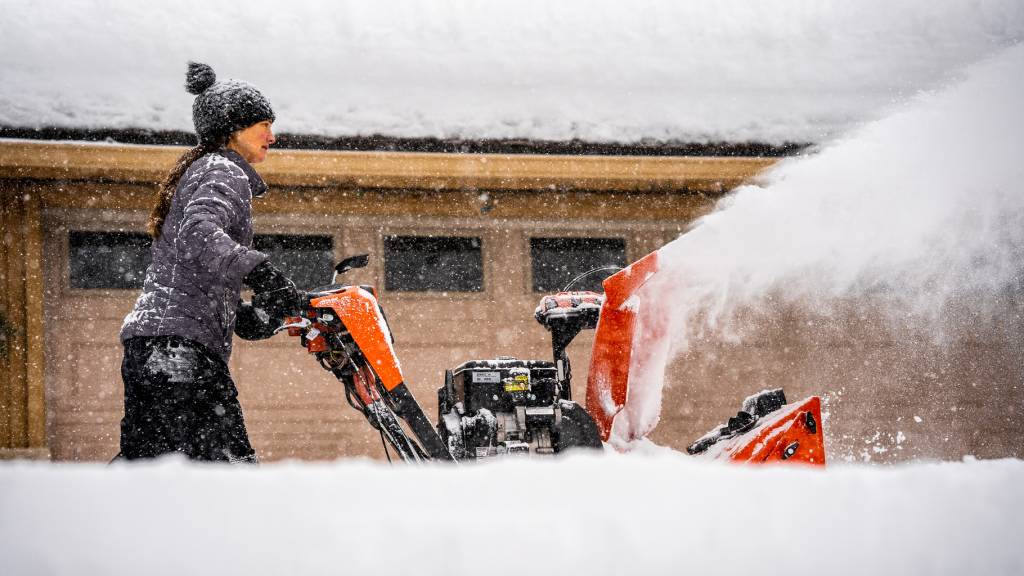
Un’altra causa comune è muoversi troppo lentamente. Può sembrare controintuitivo, ma se rimuovi la neve troppo lentamente, permetti alla neve di compattarsi prima di poter passare completamente attraverso il canale di scarico. Velocità più basse possono causare l’adesione della neve e, alla fine, l’ostruzione, soprattutto se la neve è densa o bagnata.

Consigli per Prevenire gli Intasamenti della Spazzaneve
Ora che sai cosa causa gli intasamenti, ecco come mantenere il tuo canale di scarico libero e la tua spazzaneve al massimo delle prestazioni, anche durante nevicate abbondanti:
1. Use a Non-Stick Spray
Just like using cooking spray on a skillet, a non-stick spray for your snow blower chute and auger can keep snow from sticking. Specialized snow blower sprays are available that protect against snow, ice, and debris buildup. Apply it to the chute and auger before starting, and you’ll notice how much more smoothly snow flows through.
If you’re in a pinch, you can also use cooking spray or a product like WD-40. Though not as durable as snow blower-specific sprays, they can still help reduce buildup and get the job done when you need it most.
2. Keep Your Speed Up
Clearing snow faster can prevent it from clumping and clogging. If your snow blower isn’t moving fast enough or seems underpowered for heavy snow, you might consider upgrading to a model with a higher output capacity, like a two-stage or super high output snow blower. These models can process snow more quickly, reducing the chance of clogging, especially in wet or icy conditions.
How to Safely Unclog Your Snow Blower
Sometimes, despite your best efforts, clogs happen. Here’s how to clear them safely:
1. Turn Off the Machine
First, never attempt to clear a clog while the snow blower is running. Turn off the engine, remove the key, and wait until all moving parts have completely stopped. This step is essential to avoid serious injuries.
2. Use a Tool, Not Your Hands
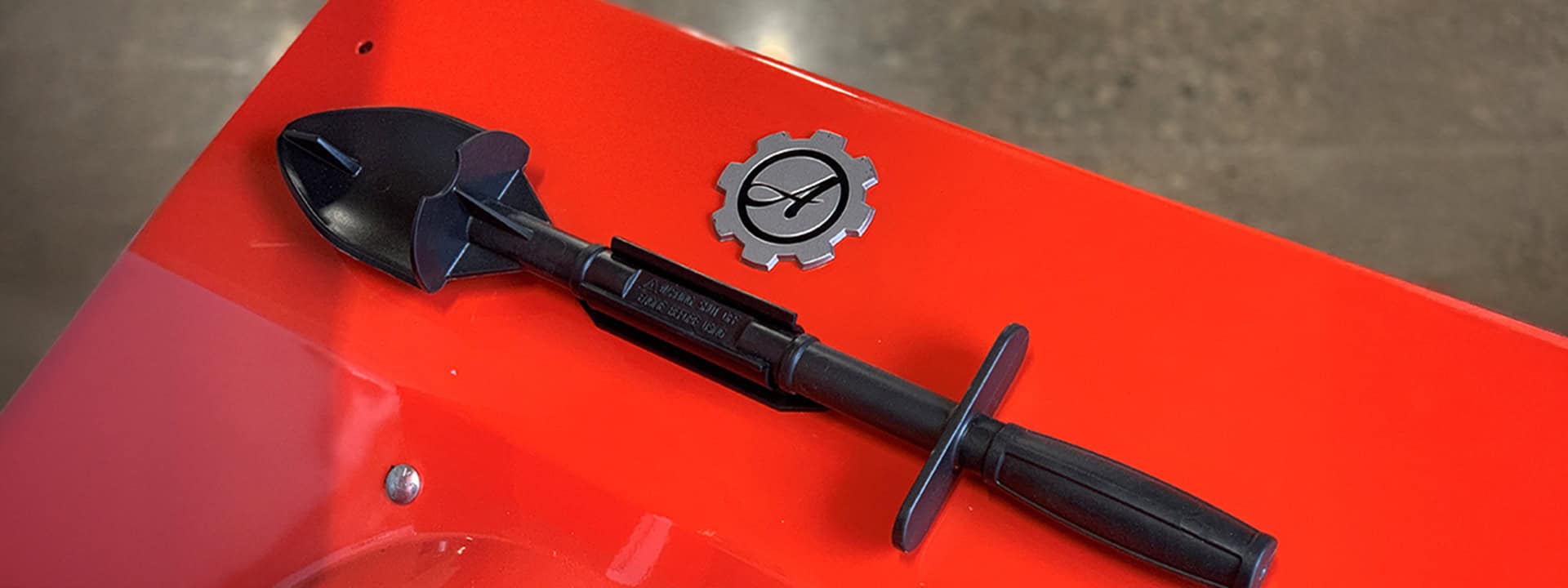
Every snow blower typically comes with a clean-out tool, often stored on the machine for easy access. Use this tool to gently dislodge packed snow from the auger or chute. If you’ve misplaced it, a broom handle can work as a substitute—just make sure you never use your hands or feet.
Once you’ve cleared the blockage, apply non-stick spray again to keep things moving smoothly.
Ready for Worry-Free Snow Removal?
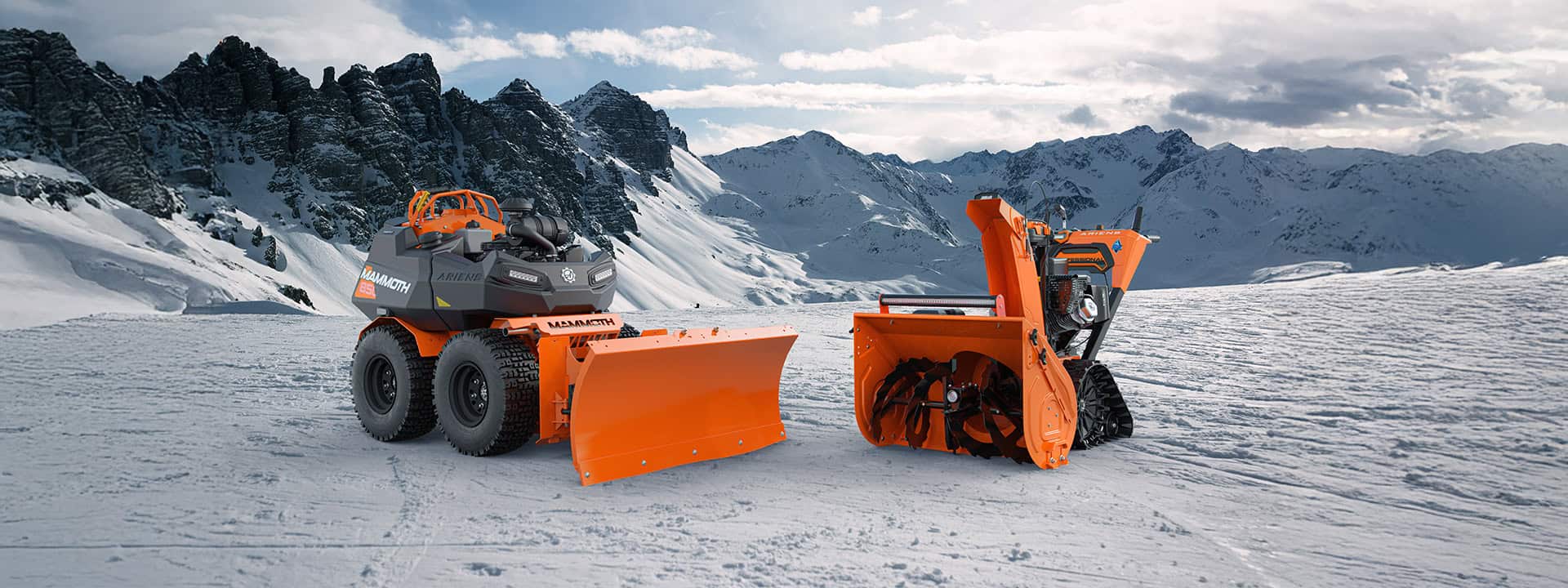
Keeping your snow blower chute from clogging doesn’t have to be a hassle. By preparing your machine with non-stick spray, adjusting your speed, and following safe unclogging techniques, you can tackle even the heaviest snowfalls with confidence. With a little preparation, you’ll keep your snow blower operating smoothly all winter long and make snow removal faster, easier, and safer.