How to Prevent Snow Blower Chute Clogs This Winter

“With the right preparation, even the heaviest snowfalls become manageable. Keep your snow blower chute clog-free, and you’ll clear your drive with ease.”
Kristian Inderberg, Snow Care Expert at AriensCo
Winter’s snowy landscapes can be breathtaking, but when it comes to clearing your driveway, heavy, wet snow can quickly clog up your snow blower chute, turning a quick task into a time-consuming hassle. Clogged chutes reduce performance and make clearing snow harder. Luckily, a few straightforward tips can keep your snow blower chute clog-free, even in the most challenging conditions.

Why Does a Snow Blower Chute Clog?
If you’re experiencing clogs, it’s usually due to one of two common issues: the type of snow or your snow-blowing technique.
1. Heavy, Wet Snow
Heavy snow with high moisture content is often the main culprit. This type of snow compacts more easily, sticking together in clumps as it moves through the auger and chute. It’s great for building snowmen but terrible for your snow blower. This compacted snow can easily get lodged in the chute, slowing down or even halting your progress.
2. Slow Snow Clearing
Another common cause is moving too slowly. It may seem counterintuitive, but if you clear snow too slowly, it allows the snow to pack down before it can fully pass through the chute. Slower speeds can cause snow to stick and eventually clog, especially if the snow is dense or wet.

Tips to Prevent Snow Blower Clogs
Now that you know what causes clogs, here’s how to keep your chute clear and your snow blower performing its best, even in heavy snowfall.
1. Use a Non-Stick Spray
Just like using cooking spray on a skillet, a non-stick spray for your snow blower chute and auger can keep snow from sticking. Specialized snow blower sprays are available that protect against snow, ice, and debris buildup. Apply it to the chute and auger before starting, and you’ll notice how much more smoothly snow flows through.
If you’re in a pinch, you can also use cooking spray or a product like WD-40. Though not as durable as snow blower-specific sprays, they can still help reduce buildup and get the job done when you need it most.
2. Keep Your Speed Up
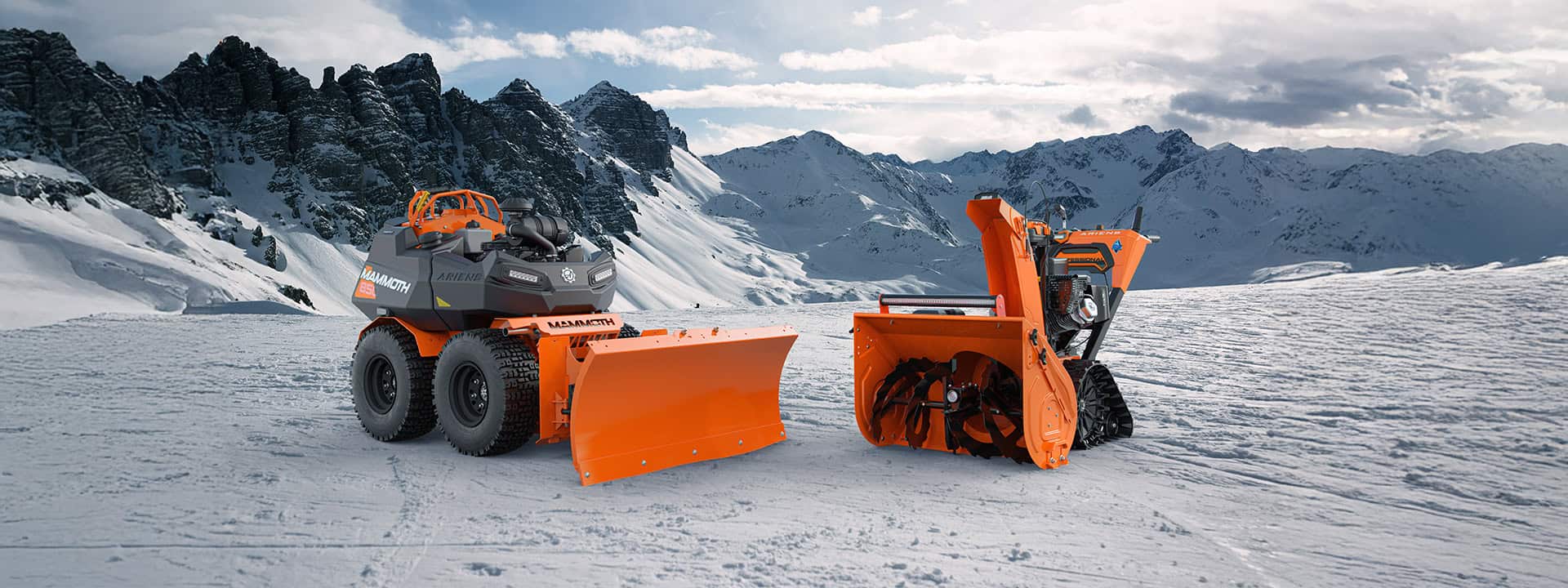
Clearing snow faster can prevent it from clumping and clogging. If your snow blower isn’t moving fast enough or seems underpowered for heavy snow, you might consider upgrading to a model with a higher output capacity, like a two-stage or super high output snow blower. These models can process snow more quickly, reducing the chance of clogging, especially in wet or icy conditions.
How to Safely Unclog Your Snow Blower
Sometimes, despite your best efforts, clogs happen. Here’s how to clear them safely:
1. Turn Off the Machine
First, never attempt to clear a clog while the snow blower is running. Turn off the engine, remove the key, and wait until all moving parts have completely stopped. This step is essential to avoid serious injuries.
2. Use a Tool, Not Your Hands
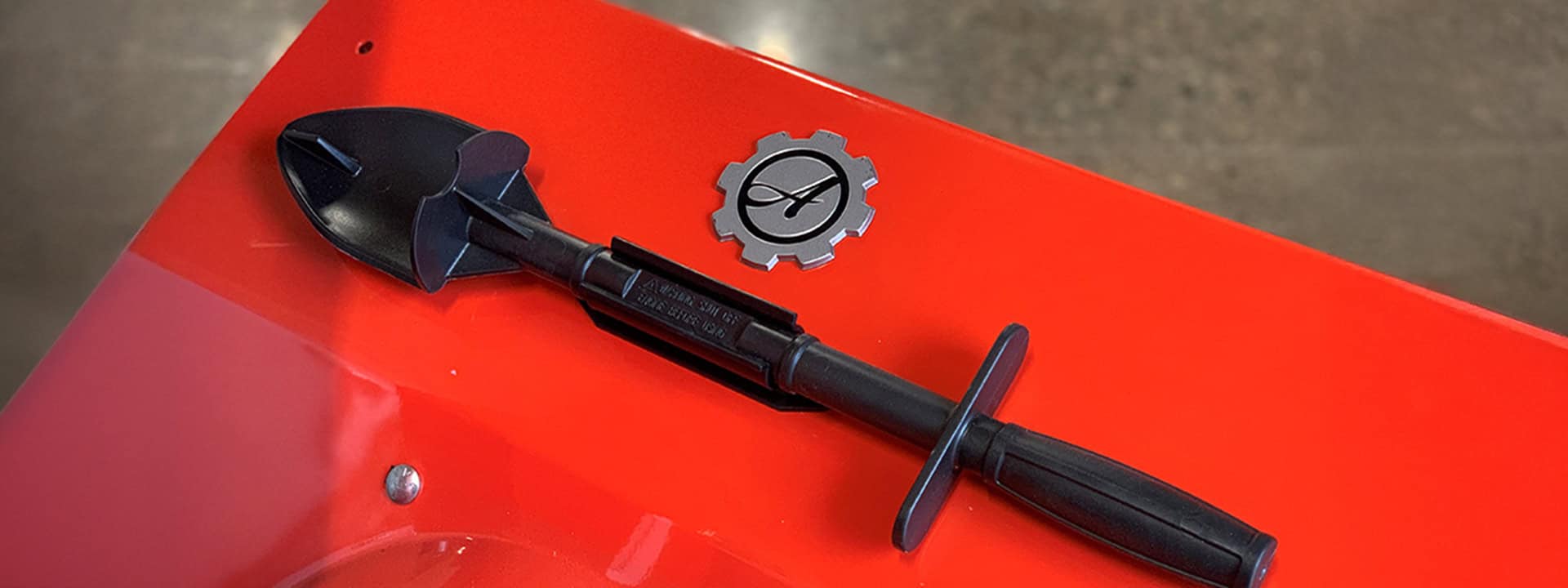
Every snow blower typically comes with a clean-out tool, often stored on the machine for easy access. Use this tool to gently dislodge packed snow from the auger or chute. If you’ve misplaced it, a broom handle can work as a substitute—just make sure you never use your hands or feet.
Once you’ve cleared the blockage, apply non-stick spray again to keep things moving smoothly.
Ready for Worry-Free Snow Removal?
Keeping your snow blower chute from clogging doesn’t have to be a hassle. By preparing your machine with non-stick spray, adjusting your speed, and following safe unclogging techniques, you can tackle even the heaviest snowfalls with confidence. With a little preparation, you’ll keep your snow blower operating smoothly all winter long and make snow removal faster, easier, and safer.